

Salted Caramel Butter Bars are the perfect dessert for anyone who loves the combination of rich butter, sweet caramel, and a touch of sea salt. With a tender, buttery shortbread crust, a thick layer of gooey caramel, and a delicate golden topping, these bars deliver an indulgent treat in every bite.
They’re ideal for holiday dessert tables, bake sales, potlucks, family gatherings, or simply enjoying with a cup of coffee on a cozy afternoon. Their beautiful layers make them look impressive, but the recipe uses simple pantry ingredients and straightforward baking techniques.
What makes these bars especially delicious is the balance of flavors. The caramel provides deep sweetness, the butter creates a rich and tender texture, and the salt adds just enough contrast to keep every bite satisfying without being overwhelmingly sweet.
Whether you’re an experienced baker or trying a new dessert for the first time, Salted Caramel Butter Bars are a wonderful addition to your homemade dessert collection.
What Are Salted Caramel Butter Bars?
Salted Caramel Butter Bars are layered dessert squares made with a buttery shortbread-style base and a rich caramel filling, often finished with another layer of buttery dough or crumbs.
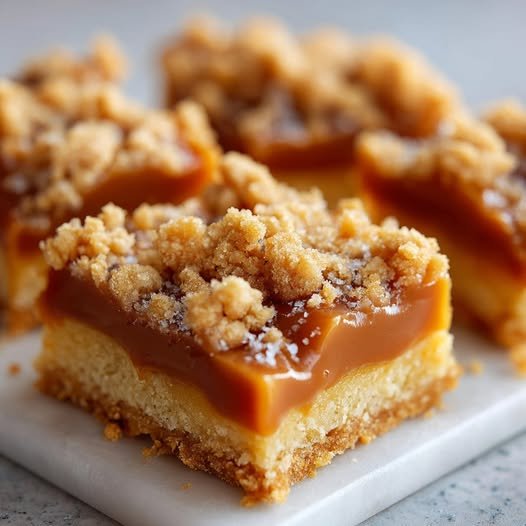
The crust provides a firm yet tender foundation, while the caramel layer adds a soft, chewy center. A sprinkle of flaky sea salt enhances the caramel flavor and creates the signature sweet-and-salty combination.
Unlike traditional cookies, which are usually shaped individually, these bars are baked in a single pan and sliced into squares after cooling. This makes them convenient for serving a crowd and easy to transport.
Depending on the recipe, the topping can be made from reserved shortbread dough, a crumbly butter mixture, or a thin layer of additional dough. The result is a dessert with contrasting textures: crisp edges, a tender buttery base, and a luscious caramel center.
Why You’ll Love These Salted Caramel Butter Bars
1. Rich Buttery Flavor
Butter is the star of this dessert. It gives the crust its delicate texture and creates the rich, melt-in-your-mouth flavor that makes these bars so memorable.
2. Sweet and Salty Balance
Caramel is naturally sweet, but a little salt helps balance its richness. The contrast makes these bars taste more complex and prevents the caramel from becoming one-dimensional.
3. Soft, Gooey Caramel Center
The caramel filling creates a delicious contrast with the tender crust. When prepared correctly, it stays soft and chewy without becoming excessively runny.
4. Simple Ingredients
You don’t need complicated baking ingredients to make these bars. Butter, flour, sugar, caramel, and salt form the foundation of the recipe.
5. Perfect for Sharing
Because the dessert is baked in one pan and cut into squares, it’s easy to serve at parties, celebrations, bake sales, and family dinners.
6. Easy to Customize
You can add chopped pecans, chocolate chips, vanilla, or a drizzle of melted chocolate to create different flavor combinations while keeping the classic caramel-and-butter profile.
Salted Caramel Butter Bars at a Glance
- Preparation time: Approximately 20 minutes
- Baking time: Approximately 30–40 minutes
- Cooling time: Approximately 1–2 hours
- Total time: Approximately 2 hours
- Servings: 16 bars
- Difficulty: Easy to moderate
- Course: Dessert
- Cuisine: American-inspired baking
Timing may vary depending on the recipe method, baking pan, and oven.
What Makes This Recipe Special?
A Tender Shortbread-Style Crust
The buttery crust gives the bars their structure and signature texture. A well-made shortbread base should be tender and slightly crumbly without falling apart when sliced.
Using softened butter and mixing the dough just until combined helps create a consistent texture.
A Decadent Caramel Layer
The caramel filling is the heart of the recipe. It brings sweetness, moisture, and a chewy texture that contrasts beautifully with the shortbread.
A thick caramel filling is especially important because overly thin caramel can spread too much during baking or make the crust difficult to cut cleanly.
A Golden Butter Topping
A reserved portion of the dough can be crumbled or placed over the caramel to create a delicate top layer. As it bakes, the butter helps the topping turn lightly golden while the caramel remains rich underneath.
A Finishing Touch of Sea Salt
Flaky sea salt adds a subtle crunch and enhances the caramel’s flavor. It also creates the distinctive sweet-and-salty taste that makes these bars stand out from ordinary caramel desserts.
For the best result, add the salt in moderation so it complements the sweetness rather than overpowering it.
Ingredients Overview
Understanding the role of each ingredient helps you achieve the best texture and flavor.
Butter
Butter provides richness, tenderness, and flavor. Unsalted butter is a good choice because it allows you to control the amount of salt in the crust and topping.
For consistent results, use the butter temperature specified in the recipe.
All-Purpose Flour
Flour provides structure and helps the crust hold together. Measuring it accurately is important because too much flour can make the bars dry and dense.
Granulated Sugar
Granulated sugar sweetens the crust and contributes to its texture. It also helps the baked base develop a light golden color.
Caramel
Caramel creates the gooey center and gives the dessert its signature flavor. Depending on the method, it can be prepared from scratch or made with caramel candies and cream.
Vanilla Extract
Vanilla enhances the buttery and caramel flavors, adding warmth and depth to the dessert.
Salt
Salt balances the sweetness and makes the caramel flavor more pronounced. Fine salt can be incorporated into the dough, while flaky sea salt can be sprinkled over the finished bars.
Heavy Cream
If making caramel from scratch, heavy cream helps create a smooth, rich filling. The exact quantity depends on the caramel method.
Tips for the Best Salted Caramel Butter Bars
- Measure the flour carefully. Too much flour can produce a dry, crumbly crust.
- Use good-quality butter. Since butter is a major flavor component, its quality makes a noticeable difference.
- Avoid overmixing the dough. Mix only until the ingredients come together to help maintain a tender texture.
- Spread the caramel evenly. A consistent layer helps every bar have the same balance of crust and filling.
- Watch the baking time. The crust and topping should become lightly golden, but excessive baking can make the edges too hard.
- Allow the bars to cool completely. The caramel needs time to set before slicing. Cutting too early can cause the filling to ooze and the bars to fall apart.
- Use a sharp knife. For neat squares, wipe the blade between cuts.
- Finish with flaky sea salt. A light sprinkle provides a pleasant contrast without making the dessert too salty.
What to Expect from the Finished Bars
When prepared properly, Salted Caramel Butter Bars should have a lightly golden exterior, a tender buttery crust, and a rich caramel center. The filling should be soft and chewy once cooled, while the salt provides a subtle finishing contrast.
These bars are especially enjoyable after the caramel has had enough time to set. The flavors become more balanced, and the layers are easier to cut into neat squares.
Salted Caramel Butter Bars – Ingredients, Substitutions, and Preparation
Exact Ingredients for Salted Caramel Butter Bars
This recipe makes approximately 16 bars in an 8 × 8-inch baking pan. It features a tender shortbread crust, a rich caramel center, and a buttery crumb topping finished with flaky sea salt.
For the Buttery Shortbread Crust and Topping
- 1 cup unsalted butter (226 g), softened – Creates a rich, tender crust and a flavorful topping.
- ½ cup granulated sugar (100 g) – Adds sweetness and helps the crust develop a delicate texture.
- 1 teaspoon vanilla extract (5 ml) – Enhances the buttery flavor.
- 2 cups all-purpose flour (240 g) – Provides structure for the crust and crumb topping.
- ¼ teaspoon fine salt – Balances the sweetness and enhances the flavor.
For the Salted Caramel Filling
- 1 cup soft caramel candies (about 200 g), unwrapped – Forms the rich caramel center.
- 3 tablespoons heavy cream (45 ml) – Helps melt the caramel into a smooth, spreadable filling.
- ½ teaspoon vanilla extract (2.5 ml) – Adds warmth and depth to the caramel.
- ½ teaspoon flaky sea salt, or to taste – Provides the signature sweet-and-salty finish.
Note: Caramel candies vary in firmness and sweetness. If the mixture seems too thick to spread, add a little more cream, one teaspoon at a time.
Ingredient Substitutions
These bars are easy to adapt using ingredients you may already have in your kitchen.
Butter
Unsalted butter is recommended because it allows you to control the salt level. Salted butter can also work, but reduce or omit the fine salt in the crust.
Granulated Sugar
Granulated sugar provides the classic shortbread texture. Caster sugar can be used in the same quantity.
All-Purpose Flour
For a slightly different texture, you can use a suitable gluten-free all-purpose baking flour blend. Results may vary depending on the blend, so choose one designed for a one-to-one substitution.
Caramel Candies
Soft caramel candies are convenient for this recipe. You can substitute thick dulce de leche or prepared caramel baking sauce, but choose a product that is thick enough to hold its shape after cooling.
If using dulce de leche, you may not need the heavy cream. Add it only if necessary to achieve a spreadable consistency.
Heavy Cream
For melting caramel candies, evaporated milk may work in small amounts, although the filling may have a slightly different texture. Add it gradually rather than replacing the cream in excess.
Flaky Sea Salt
If you don’t have flaky sea salt, use a small pinch of fine sea salt. Fine salt tastes more concentrated in a given volume, so use less.
Equipment You’ll Need
Prepare these basic tools before starting:
- 8 × 8-inch baking pan: Creates thick, evenly sized bars.
- Parchment paper: Makes it easier to lift the bars out of the pan.
- Mixing bowl: For preparing the buttery dough.
- Electric mixer or sturdy wooden spoon: Helps combine the butter and sugar.
- Small saucepan or microwave-safe bowl: For melting the caramel.
- Rubber spatula: Helps spread the filling evenly.
- Measuring cups and spoons or a kitchen scale: For accurate measurements.
- Sharp knife: For cutting clean squares after cooling.
Preparation Before Baking
Prepare the Baking Pan
Preheat the oven to 350°F (175°C).
Line an 8 × 8-inch baking pan with parchment paper, leaving some overhang on two sides. This makes removing the cooled bars much easier.
Lightly grease the exposed sides if necessary to prevent sticking.
Soften the Butter
Allow the butter to soften at room temperature until it is pliable but not melted.
Softened butter combines more evenly with sugar and helps produce a tender shortbread texture. Avoid using melted butter, which can change the consistency of the dough.
Measure the Dry Ingredients
Measure the flour, granulated sugar, and fine salt carefully. If measuring flour by volume, spoon it into the measuring cup and level the top rather than packing it down.
Accurate measurements help prevent a dry crust or an overly soft dough.
Prepare the Caramel Ingredients
Unwrap the caramel candies and place them in a small saucepan or microwave-safe bowl. Measure the heavy cream and vanilla extract separately.
Keeping these ingredients ready makes it easier to prepare a smooth caramel filling without overheating it.
Organize Your Workstation
Set out the prepared pan, mixing bowl, spatula, and measured ingredients. This simple step helps the process run smoothly and reduces the chance of overmixing the dough while preparing the caramel.
Important Tips Before You Begin
- Don’t melt the butter for the dough. Softened butter gives the crust a better texture.
- Reserve enough dough for the topping. The recipe uses part of the shortbread mixture for the base and the remainder for the crumb layer.
- Melt the caramel gently. Excessive heat can make it scorch or become too firm after cooling.
- Spread the filling while warm. Warm caramel is easier to distribute evenly over the crust.
- Use parchment paper with an overhang. It helps you lift the bars out of the pan without damaging the layers.
Salted Caramel Butter Bars – Step-by-Step Baking Instructions
How to Make Salted Caramel Butter Bars
Follow these simple steps to create buttery shortbread bars with a rich caramel center and a golden crumb topping. The key to success is baking the crust properly, spreading the caramel evenly, and allowing the bars to cool completely before slicing.
Prepare the Shortbread Dough
In a large mixing bowl, beat the softened unsalted butter and granulated sugar until the mixture is smooth, creamy, and well combined.
Add the vanilla extract and mix again until incorporated.
Gradually add the all-purpose flour and fine salt. Mix on low speed or stir with a wooden spoon until a soft, crumbly dough forms.
Avoid overmixing. The dough should hold together when pressed but should not feel sticky or greasy.
Divide the Dough
Set aside approximately one-third of the dough for the topping.
Press the remaining two-thirds firmly and evenly into the bottom of the prepared 8 × 8-inch baking pan.
Use your fingers or the back of a spoon to create an even layer, paying particular attention to the corners.
An evenly packed crust helps the bars bake consistently and provides a sturdy base for the caramel filling.
Pre-Bake the Crust
Place the pan in the preheated oven at 350°F (175°C) and bake the crust for approximately 12–15 minutes.
The edges should look slightly set, with a light golden color beginning to develop. The center does not need to be fully browned at this stage.
Remove the pan from the oven and allow the crust to cool slightly while you prepare the caramel.
Pre-baking helps the base remain firm beneath the soft filling.
Melt the Caramel
Place the unwrapped caramel candies and heavy cream in a small saucepan over low heat.
Stir continuously until the candies melt and the mixture becomes smooth. Remove the saucepan from the heat and stir in the vanilla extract.
Alternatively, microwave the caramel and cream in a microwave-safe bowl in 20-second intervals, stirring between each interval until smooth.
If the caramel is too thick to spread, add a little more cream, one teaspoon at a time.
Important: Avoid overheating the caramel, as it can become difficult to spread and may develop a burnt flavor.
Spread the Caramel Filling
Pour the warm caramel over the partially baked shortbread crust.
Use a rubber spatula to spread it into an even layer, reaching close to the edges without letting the filling spill over the sides.
Work carefully because the caramel will begin to thicken as it cools.
For a balanced texture, keep the filling layer consistent across the pan.
Add the Butter Crumb Topping
Take the reserved dough and crumble it into small pieces between your fingers.
Scatter the crumbs evenly over the caramel layer. Leave small gaps where some caramel remains visible if you prefer a more rustic appearance.
Avoid pressing the topping down too firmly. Loose crumbs create a delicate, buttery texture when baked.
Bake Until Golden
Return the pan to the oven and bake for approximately 18–25 minutes, or until the topping is lightly golden and the edges look set.
The caramel may bubble slightly around the edges, which is normal. However, the topping should not become excessively dark.
If the top browns too quickly, loosely cover the pan with foil for the remaining baking time.
Remember that the caramel will be very hot immediately after baking.
Add the Sea Salt
Remove the pan from the oven and place it on a heat-safe surface.
While the caramel is still warm, sprinkle the flaky sea salt evenly over the top. Use a light hand at first, adding more only if desired.
The salt enhances the caramel flavor and creates the signature sweet-and-salty contrast.
Cool Completely
Allow the bars to cool in the pan until they reach room temperature. Then let them rest for another hour or longer if needed for the caramel to set.
For cleaner slices, refrigerate the cooled pan for approximately 30–60 minutes before cutting.
Do not cut the bars while the caramel is still hot. The filling may run, and the shortbread layers may crumble.
Slice and Serve
Use the parchment overhang to lift the slab out of the pan and transfer it to a cutting board.
With a sharp knife, cut the slab into 16 squares. Wipe the blade between cuts for neater edges.
Serve the bars at room temperature for a tender crust and chewy caramel center.
Troubleshooting Common Problems
Why Is My Shortbread Crust Too Crumbly?
The dough may contain too much flour or may not have been pressed firmly enough into the pan.
Measure the flour carefully and press the base evenly into the corners. The dough should hold together when pressed between your fingers.
Why Is the Caramel Too Hard?
Caramel can become hard if it is overheated or contains too little cream.
Melt the candies slowly over low heat and add cream gradually until the mixture becomes smooth and spreadable.
Why Is the Caramel Too Runny?
The filling may contain too much cream or may not have cooled sufficiently.
Use a thick caramel mixture, measure the cream accurately, and allow the finished bars to cool completely before slicing.
Why Is the Topping Browning Too Quickly?
Ovens can vary in temperature, and the crumb topping may brown before the center is fully set.
Check the bars regularly near the end of baking. If necessary, loosely cover the pan with foil and continue baking until the edges are set.
Why Are My Bars Falling Apart When Cut?
The bars may still be warm, or the crust may not have been packed firmly enough.
Allow the bars to cool completely and chill them briefly before slicing. A sharp knife also helps create clean edges.
How to Know When Salted Caramel Butter Bars Are Done
Look for these signs:
- The shortbread topping is lightly golden.
- The edges are set and slightly darker than the center.
- The caramel is bubbling gently around some edges but is not burning.
- The crust feels firm enough to support the filling after cooling.
The caramel will remain soft while hot, so don’t rely on its immediate firmness to determine whether the bars are ready. It will thicken as it cools.
Salted Caramel Butter Bars – Serving, Storage, Variations, and FAQs
How to Serve Salted Caramel Butter Bars
Salted Caramel Butter Bars are delicious on their own, but pairing them with the right accompaniments can make them even more special. Their rich buttery crust and sweet caramel center work beautifully with coffee, fresh fruit, and creamy desserts.
1. Serve with Coffee
Enjoy a bar with a cup of freshly brewed coffee, espresso, or a latte. The slight bitterness of coffee balances the sweetness of the caramel and creates a satisfying afternoon treat.
2. Pair with Vanilla Ice Cream
Serve a slightly chilled bar alongside a scoop of vanilla ice cream. The creamy, cool ice cream contrasts with the buttery shortbread and chewy caramel.
3. Add a Chocolate Drizzle
Drizzle melted dark or milk chocolate over the cooled bars for an extra layer of flavor. Dark chocolate is particularly good because its bitterness balances the sweetness of the caramel.
4. Create a Dessert Platter
Arrange the bars on a dessert platter with brownies, chocolate chip cookies, and fresh berries. Their golden color and caramel layers add variety to a dessert table.
5. Serve for Holidays and Special Occasions
These bars are excellent for Thanksgiving gatherings, Christmas celebrations, birthday parties, potlucks, and bake sales. Cut them into smaller squares when serving a large group.
How to Store Salted Caramel Butter Bars
Proper storage helps preserve the buttery crust and keeps the caramel filling from drying out.
At Room Temperature
Once completely cooled and set, store the bars in an airtight container in a cool environment for up to 3 days, provided the ingredients and room conditions allow safe storage.
Place parchment paper between layers to prevent the bars from sticking together.
If your kitchen is warm, refrigeration is a better option because the caramel can soften.
In the Refrigerator
Place the cooled bars in an airtight container and refrigerate for approximately 5–7 days for best quality.
The caramel will become firmer in the refrigerator. Allow individual bars to sit at room temperature for 10–20 minutes before serving for a softer texture.
In the Freezer
Salted Caramel Butter Bars can be frozen for up to 2–3 months for best quality.
- Allow the bars to cool and set completely.
- Cut them into individual squares.
- Wrap each square tightly or separate the layers with parchment paper.
- Place the bars in a freezer-safe airtight container.
- Label the container with the date.
Thaw the bars in the refrigerator overnight or at room temperature until softened. Avoid repeated freezing and thawing, which can affect their texture.
Delicious Variations to Try
One of the best things about Salted Caramel Butter Bars is how easy they are to customize.
1. Chocolate Chip Salted Caramel Bars
Add a small handful of chocolate chips to the crumb topping before baking. The chocolate melts slightly and complements the rich caramel center.
2. Pecan Salted Caramel Butter Bars
Sprinkle chopped pecans over the caramel before adding the crumb topping. Their nutty flavor and crunchy texture create a delicious contrast with the soft filling.
3. Dark Chocolate Caramel Bars
Drizzle melted dark chocolate over the cooled bars. The slightly bitter chocolate balances the sweetness and creates a more sophisticated dessert.
4. Brown Butter Caramel Bars
Brown the butter gently in a saucepan before using it in the dough, then allow it to cool until solid but still pliable. Brown butter adds a toasted, nutty flavor that pairs beautifully with caramel.
Because browning butter changes its moisture content, this variation may require a small adjustment to the dough consistency.
5. Coconut Caramel Butter Bars
Add a little shredded coconut to the crumb topping for extra texture and a subtle coconut flavor.
6. Almond Caramel Bars
Mix finely chopped almonds into the topping or sprinkle them over the caramel layer. Almonds add a pleasant crunch and pair naturally with buttery shortbread.
7. Extra-Salty Caramel Bars
For a stronger sweet-and-salty contrast, add a small additional sprinkle of flaky sea salt after baking. Taste as you go, especially if you used salted butter.
8. Vanilla Bean Caramel Bars
Replace the vanilla extract with vanilla bean paste for a more pronounced vanilla flavor and attractive flecks throughout the caramel.
Frequently Asked Questions
Can I make Salted Caramel Butter Bars ahead of time?
Yes. These bars are excellent for preparing ahead because the caramel needs time to set. Bake them the day before serving, cool completely, and store them in an airtight container.
Why does the caramel need to cool before slicing?
Warm caramel is soft and sticky, so it can run out of the bars when cut. Cooling allows the filling to thicken and the shortbread to firm up, making it easier to create neat squares.
Can I use homemade caramel instead of caramel candies?
Yes. Use a thick homemade caramel that is suitable for baking. Make sure it has cooled slightly before spreading it over the crust, and adjust the consistency if it seems too thin.
Can I use salted butter?
Yes. Salted butter works, but reduce or omit the fine salt in the shortbread dough. Keep the flaky sea salt topping light until you’ve tasted the finished bars.
How do I get clean, professional-looking slices?
Cool the bars completely, chill them briefly if necessary, and use a sharp knife. Wipe the blade clean between cuts to prevent caramel from dragging through the shortbread.
Can I double the recipe?
Yes. Double the ingredients and use a larger pan, such as a 9 × 13-inch baking pan. The baking time may change, so watch for lightly golden edges and a set topping rather than relying only on the clock.
Can I make these bars without heavy cream?
You can use another suitable liquid for melting the caramel, such as a small amount of evaporated milk. However, the texture and flavor may differ. Add the substitute gradually to avoid making the caramel too thin.
Why are my bars too sweet?
Caramel and sugar-rich shortbread naturally create a sweet dessert. To balance the flavor, use unsalted butter, add a modest amount of flaky sea salt, or serve the bars with unsweetened coffee or fresh berries.
Do Salted Caramel Butter Bars need to be refrigerated?
Refrigeration is recommended when the room is warm or when you want the caramel to remain firm. Store them in an airtight container and allow them to soften slightly before serving.
Final Thoughts
Salted Caramel Butter Bars bring together everything that makes a homemade dessert irresistible: a rich buttery crust, a soft caramel center, and a delicate sprinkle of sea salt.
They’re simple enough for everyday baking yet elegant enough for holiday gatherings and special occasions. Their layered texture and sweet-and-salty flavor make them a wonderful choice for anyone who enjoys classic caramel desserts.
For the best results, measure your ingredients carefully, melt the caramel gently, and allow the bars to cool completely before slicing. Once you master the basic recipe, experiment with chocolate, pecans, almonds, or brown butter to create your own signature version.
Serve them with coffee, share them with friends and family, or keep a few ready for a homemade afternoon treat. These Salted Caramel Butter Bars are a delicious way to make any occasion feel a little more special.