

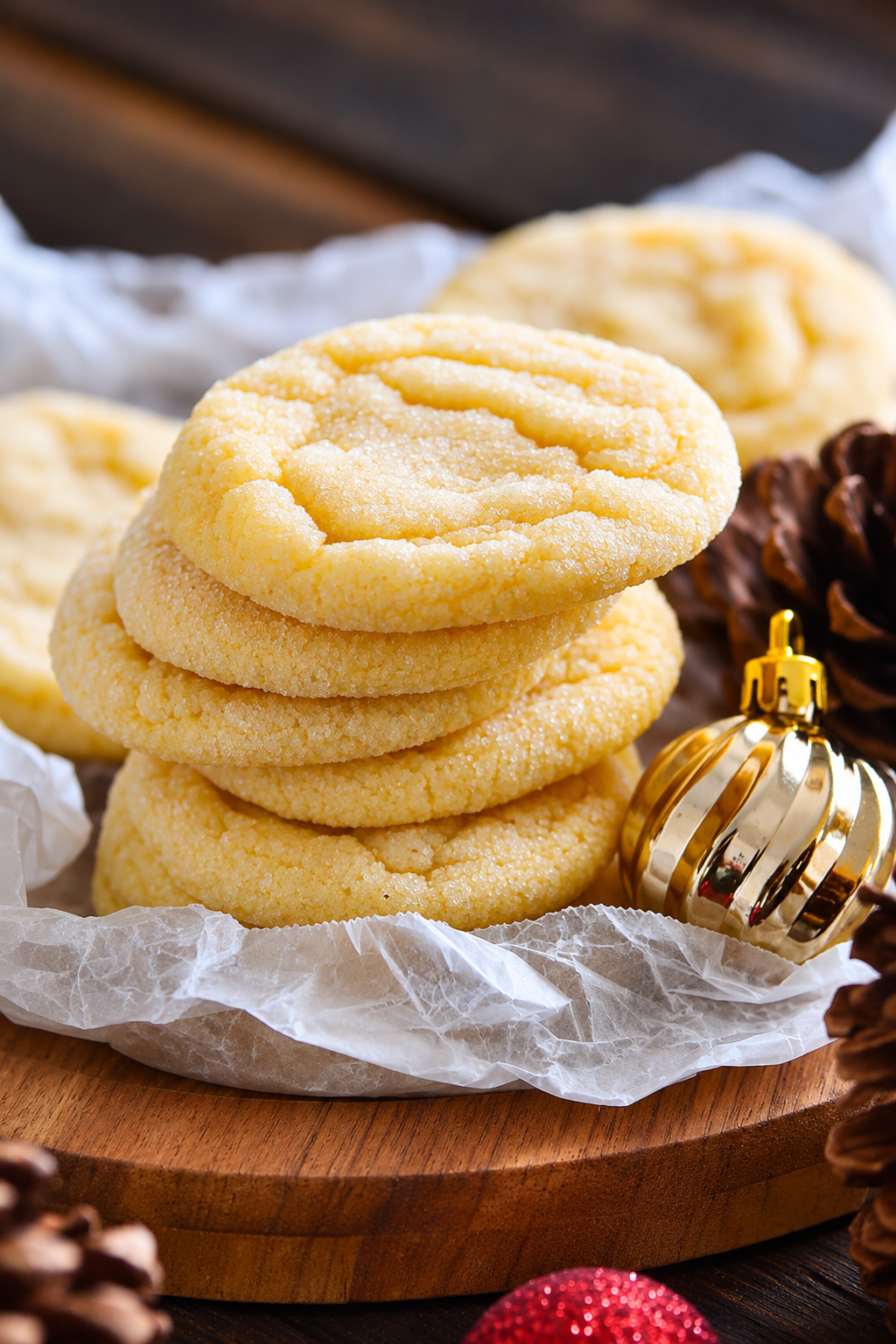
Eggnog Cookies bring the cozy flavors of the holiday season into a soft, homemade cookie. Made with creamy eggnog, warm spices, and a touch of vanilla, these cookies have a tender texture and a delicate sweetness that makes them perfect for Christmas baking. Every bite has a hint of nutmeg and the familiar flavor of classic holiday eggnog.
What makes these cookies special is their soft, slightly chewy center and lightly crisp edges. Eggnog adds richness to the dough, while cinnamon and nutmeg create a warm flavor that pairs beautifully with the sweetness of the cookie. A simple eggnog glaze can also be added on top for an extra festive finish.
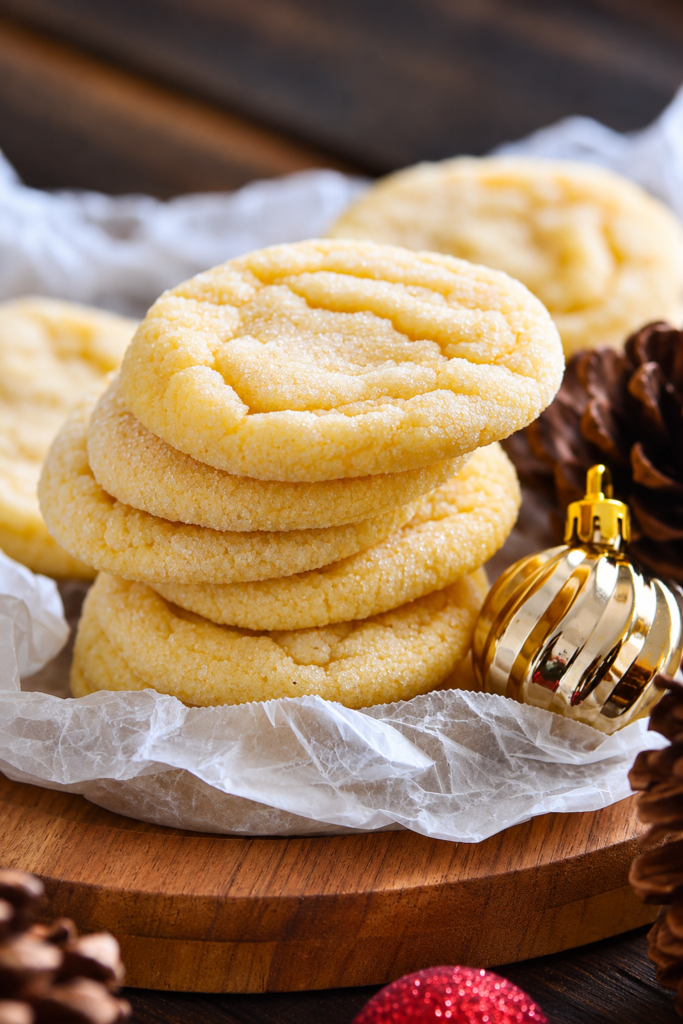
They’re easy to prepare with everyday baking ingredients and don’t require any complicated techniques. Whether you’re baking for a holiday cookie exchange, preparing a Christmas dessert platter, or simply enjoying a cozy afternoon at home, these cookies are a lovely addition to your seasonal baking list.
Eggnog Cookies also store well, making them convenient to prepare ahead of holiday gatherings. Serve them with coffee, tea, or a warm cup of hot chocolate for a sweet Christmas treat.
Ingredients
Eggnog Cookies
Yield: 24 cookies · Prep Time: 15 minutes · Bake Time: 10–12 minutes
Ingredients
For the Cookies
- ½ cup unsalted butter, softened
- ¾ cup granulated sugar
- ¼ cup packed light brown sugar
- 1 large egg yolk
- ⅓ cup eggnog
- 1 teaspoon vanilla extract
- 2 cups all-purpose flour
- ½ teaspoon baking powder
- ¼ teaspoon baking soda
- ½ teaspoon ground nutmeg
- ¼ teaspoon ground cinnamon
- ¼ teaspoon salt
For the Eggnog Glaze (Optional)
- 1 cup powdered sugar
- 2 tablespoons eggnog
- ⅛ teaspoon ground nutmeg
Ingredient Notes
- Eggnog: Use regular, chilled eggnog for a rich flavor and tender cookie texture.
- Butter: Softened unsalted butter makes it easier to cream the dough evenly.
- Nutmeg: Freshly grated nutmeg gives the cookies a particularly warm, fragrant flavor.
- Brown sugar: Adds moisture and a slight caramel note that complements the eggnog.
- Egg yolk: Helps bind the dough and gives the cookies a soft, tender center.
How to Make Eggnog Cookies
Prepare the Oven and Baking Sheets
Preheat your oven to 350°F (175°C). Line two baking sheets with parchment paper to prevent the cookies from sticking.
Cream the Butter and Sugars
In a large mixing bowl, beat the softened butter, granulated sugar, and brown sugar until light and fluffy. Add the egg yolk, eggnog, and vanilla extract, then mix until smooth. The mixture may look slightly separated at this stage, but it will come together when the dry ingredients are added.
Combine the Dry Ingredients
In a separate bowl, whisk together the flour, baking powder, baking soda, nutmeg, cinnamon, and salt. Gradually add the dry mixture to the wet ingredients, mixing just until a soft dough forms. Avoid overmixing, as this can make the cookies dense.
Shape the Cookies
Scoop tablespoon-sized portions of dough and place them on the prepared baking sheets, leaving about 2 inches between each cookie. Gently flatten the tops if you prefer a more even shape.
Bake Until Set
Bake for 10–12 minutes, or until the edges are lightly set and the centers still look slightly soft. Let the cookies rest on the baking sheet for about 5 minutes before transferring them to a wire rack.
Prepare the Eggnog Glaze
While the cookies cool, whisk the powdered sugar, eggnog, and nutmeg in a small bowl until smooth. Add a little more eggnog if the glaze is too thick, or extra powdered sugar if it is too thin.
Glaze and Serve
Once the cookies have cooled completely, drizzle the glaze over the tops. Let it set before serving or storing the cookies.
Serving, Storage, Variations, and FAQs
Serving Suggestions
Serve Eggnog Cookies on a Christmas cookie platter with gingerbread cookies, sugar cookies, and shortbread. Their warm nutmeg flavor also pairs beautifully with coffee, tea, or hot chocolate.
For a festive presentation, drizzle the eggnog glaze over the cookies and finish with a light sprinkle of ground nutmeg.
Storage Tips
- Room Temperature: Store unglazed cookies in an airtight container for up to 4 days. Glazed cookies can also be stored at room temperature if the glaze is fully set and the room is cool.
- Refrigerator: Keep them in an airtight container for up to 1 week.
- Freezer: Freeze unglazed cookies for up to 2 months. Thaw at room temperature before glazing and serving.
- Cookie Dough: Shape the dough into portions and freeze them on a tray. Transfer to a freezer-safe bag once firm, then bake from frozen, adding a minute or two to the baking time.
Variations
- Eggnog Snickerdoodle Cookies: Roll the dough balls in a mixture of cinnamon and sugar before baking.
- White Chocolate Eggnog Cookies: Fold ½ cup of white chocolate chips into the dough.
- Extra Spiced Cookies: Add a small pinch of ground cloves or allspice for a deeper holiday flavor.
- Nutmeg Sugar Topping: Sprinkle the cookies with a little cinnamon-nutmeg sugar before baking instead of using glaze.
Helpful Tips
- Use softened butter rather than melted butter to achieve the right cookie texture.
- Measure the flour carefully. Too much flour can make the cookies dry.
- Avoid overbaking. The centers should look slightly soft when you remove the cookies from the oven.
- Let the cookies cool completely before adding glaze so it doesn’t melt and run off.
- If your eggnog is especially thick, add it gradually to the glaze until you reach a drizzle-friendly consistency.
Frequently Asked Questions
Can I use store-bought eggnog?
Yes. Regular store-bought eggnog works perfectly in this recipe. Choose a plain variety rather than one with added flavors.
Do these cookies taste strongly of eggnog?
They have a gentle eggnog flavor with noticeable vanilla and nutmeg notes. The glaze adds a little more eggnog flavor.
Can I make the dough ahead of time?
Yes. Cover the dough and refrigerate it for up to 24 hours. Let it sit briefly at room temperature if it becomes too firm to scoop.
Why did my cookies turn out dry?
Too much flour or overbaking can make the cookies dry. Measure the flour accurately and remove the cookies when the edges are set but the centers remain soft.