

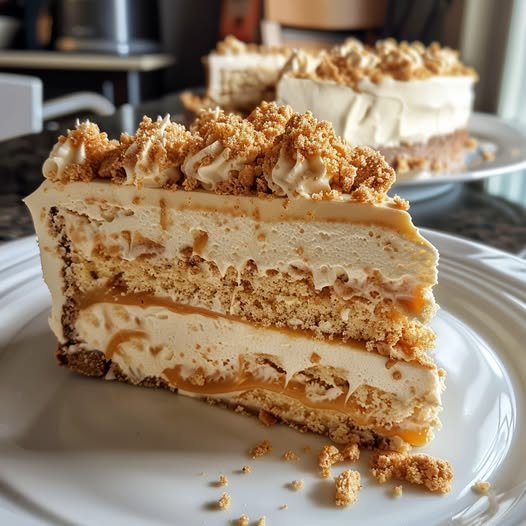
If you love creamy cheesecake and the rich, buttery sweetness of butterscotch, this Butterscotch Cheesecake is a dessert you will want to add to your baking list. With its smooth, velvety filling, crisp cookie crust, and delicious butterscotch topping, this indulgent dessert combines classic cheesecake richness with the nostalgic flavor of homemade butterscotch.
Every slice offers a beautiful balance of textures and flavors. The buttery crust provides a satisfying base, while the creamy cheesecake filling melts in your mouth. Butterscotch adds a deep sweetness with notes of brown sugar, butter, and vanilla, creating a flavor that feels both comforting and elegant.
This cheesecake is perfect for holidays, birthdays, dinner parties, or any occasion when you want to serve a dessert that looks impressive and tastes even better. Although it has a bakery-style appearance, the recipe can be prepared at home with familiar ingredients and a little patience.
One of the best things about Butterscotch Cheesecake is its versatility. You can finish it with a glossy butterscotch sauce, a swirl of whipped cream, or a sprinkle of chopped pecans for extra texture. Whether you prefer a simple presentation or a more elaborate dessert, this cheesecake provides the perfect foundation.
If you enjoy classic desserts with a rich, caramel-like flavor, this creamy Butterscotch Cheesecake may quickly become one of your favorite homemade treats.
What Is Butterscotch Cheesecake?
Butterscotch Cheesecake is a rich dessert that combines traditional cheesecake with the distinctive flavor of butterscotch. It typically features three delicious components: a crumb crust, a smooth cream cheese filling, and a butterscotch topping or swirl.
The crust is often made from graham cracker crumbs mixed with melted butter and a little sugar. It creates a firm, slightly crunchy base that contrasts beautifully with the creamy filling.
The cheesecake filling combines cream cheese, sugar, eggs, vanilla, and other ingredients to create a smooth texture. Butterscotch flavor can be incorporated directly into the filling or added as a topping, depending on the recipe.
Traditional butterscotch is made by combining brown sugar and butter, often with cream and vanilla. Unlike caramel, which is traditionally made by heating white sugar, butterscotch relies on the deeper molasses notes of brown sugar to create its characteristic flavor.
When paired with cheesecake, butterscotch brings warmth and richness to the dessert without taking away from the tangy flavor of the cream cheese.
The finished cheesecake is creamy, sweet, buttery, and slightly tangy, with a delicate cookie crust that holds each slice together.
Why You Will Love This Butterscotch Cheesecake
1. Rich and Creamy Texture
The cheesecake filling is smooth, dense, and velvety. Properly softened cream cheese helps create a uniform batter without lumps, while careful baking keeps the filling tender rather than dry.
2. Delicious Butterscotch Flavor
Brown sugar, butter, and vanilla create the signature flavor of butterscotch. The combination adds a deep, buttery sweetness that pairs naturally with cream cheese.
3. A Buttery Cookie Crust
The crust provides a crisp, flavorful foundation for the creamy filling. Graham crackers are a classic choice, but digestive biscuits or vanilla cookies can also work well.
4. Perfect for Special Occasions
This cheesecake is an excellent dessert for Thanksgiving, Christmas, birthdays, anniversaries, and dinner parties. Its rich flavor and elegant appearance make it suitable for celebrations without requiring elaborate decoration.
5. Easy to Customize
You can add chopped pecans, drizzle extra butterscotch sauce over the top, or finish each slice with whipped cream. A little flaky salt can also balance the sweetness and enhance the buttery flavor.
6. Ideal for Making Ahead
Cheesecake benefits from chilling because the filling needs time to set properly. Preparing it a day ahead allows you to serve a beautifully firm cheesecake while making dessert preparation easier on the day of your gathering.
7. Beautiful Bakery-Style Presentation
A smooth top, golden crust, and glossy butterscotch topping give this dessert a professional appearance. Even a simple decoration can make each slice look inviting.
Recipe at a Glance
- Recipe name: Butterscotch Cheesecake
- Category: Dessert, cheesecake, baked sweets
- Cuisine: American-inspired
- Preparation time: Approximately 30 minutes
- Baking time: Approximately 55–75 minutes
- Chilling time: At least 6 hours, preferably overnight
- Total time: Approximately 7½–9 hours, including chilling
- Main ingredients: Cream cheese, brown sugar, eggs, butter, vanilla, and cookie crumbs
- Cooking method: Baking and chilling
- Flavor profile: Buttery, sweet, creamy, and slightly tangy
- Texture: Smooth cheesecake filling with a crisp, buttery crust
- Best occasions: Holidays, birthdays, family gatherings, and dinner parties
Exact baking times depend on your oven, pan size, and the depth of the cheesecake filling.
What Does Butterscotch Cheesecake Taste Like?
The first thing you notice is the rich aroma of butter, brown sugar, and vanilla. These flavors create a warm, caramel-like sweetness that makes the cheesecake especially inviting.
The filling itself is creamy and slightly tangy. Cream cheese provides a gentle sharpness that balances the sweetness of the butterscotch, preventing the dessert from tasting like pure sugar.
The crust adds another layer of flavor. Its buttery, slightly crisp texture contrasts with the soft filling, creating a satisfying combination in every bite.
The butterscotch topping brings everything together. It adds a glossy finish and an extra burst of buttery sweetness, while optional pecans provide a pleasant crunch.
The result is a dessert that feels rich and indulgent without losing the familiar comfort of a classic cheesecake.
The Secret to a Perfect Cheesecake Texture
A delicious cheesecake depends on more than the ingredients. A few important techniques can help you achieve a smooth filling, an attractive surface, and clean slices.
Use Room-Temperature Cream Cheese
Cold cream cheese is difficult to blend smoothly and can leave small lumps in the batter. Let it soften at room temperature before mixing.
The same principle applies to the eggs and other refrigerated ingredients. Ingredients at similar temperatures generally combine more easily.
Avoid Overmixing
Beat the cream cheese and sugar until smooth, then add the remaining ingredients and mix only until combined.
Excessive mixing can incorporate too much air into the batter, which may contribute to rising, cracking, and sinking during cooling.
Bake Gently
Cheesecake benefits from moderate, steady heat. Avoid increasing the oven temperature to speed up baking, as this can cause the edges to overcook before the center is ready.
A water bath can help maintain a gentler baking environment and reduce the risk of cracks, although it is not essential for every recipe.
Do Not Overbake
The cheesecake should be mostly set around the edges, while the center retains a slight wobble when the pan is gently moved.
The filling will continue to firm up as it cools and chills. Baking until the center is completely rigid can lead to a dry or crumbly texture.
Allow Enough Chilling Time
Cheesecake needs several hours in the refrigerator to become firm enough to slice cleanly. Overnight chilling is ideal for developing the best texture and allowing the flavors to settle.
Avoid cutting the cheesecake while it is still warm or only partially chilled.
Choosing the Best Butterscotch Flavor
Butterscotch is the defining feature of this dessert, so choosing the right ingredients makes a difference.
Brown Sugar
Brown sugar provides the deep, slightly molasses-like flavor associated with traditional butterscotch. Light brown sugar creates a milder sweetness, while dark brown sugar produces a more intense flavor.
Butter
Butter gives butterscotch its rich, rounded taste. Unsalted butter is useful because it allows you to control the amount of salt in the sauce.
Vanilla Extract
Vanilla complements the brown sugar and butter, creating a warmer and more balanced flavor.
Cream
Heavy cream helps turn the butter and sugar mixture into a smooth, pourable sauce. Adding it carefully and stirring consistently helps prevent an uneven texture.
A Pinch of Salt
A small amount of salt balances the sweetness and highlights the buttery notes. For a salted butterscotch variation, finish the sauce with a light sprinkle of flaky salt.
When to Serve Butterscotch Cheesecake
This cheesecake is versatile enough for both everyday desserts and special celebrations.
- Thanksgiving: Serve it as an alternative to traditional pumpkin or pecan pie.
- Christmas gatherings: Add chopped pecans and extra butterscotch sauce for a festive finish.
- Birthday celebrations: Decorate the top with whipped cream and a few elegant swirls of sauce.
- Dinner parties: Prepare it the day before and serve chilled after the main course.
- Weekend baking: Enjoy a slice with coffee or tea for a rich homemade treat.
Because cheesecake is best served cold, it is also a convenient dessert to prepare ahead of time.
Final Thoughts
Butterscotch Cheesecake combines the smooth richness of classic cheesecake with the deep, buttery sweetness of brown sugar and vanilla. The crisp cookie crust provides the perfect contrast, while the butterscotch topping makes each slice feel extra special.
It is an excellent choice for holidays, celebrations, or any occasion when you want a homemade dessert that looks elegant and delivers plenty of flavor. With careful mixing, gentle baking, and enough chilling time, you can create a cheesecake that is creamy, flavorful, and beautiful to serve.
Butterscotch Cheesecake — Ingredients and Preparation
Ingredients for Butterscotch Cheesecake
This Butterscotch Cheesecake combines a buttery graham cracker crust, a creamy cheesecake filling, and a rich homemade butterscotch sauce. Each component adds its own texture and flavor, creating a dessert that is perfect for holidays, celebrations, or a special weekend treat.
For the Graham Cracker Crust
- 2 cups (200 g) graham cracker crumbs
- 6 tablespoons (85 g) unsalted butter, melted
- 2 tablespoons (25 g) granulated sugar
- ¼ teaspoon salt
For the Cheesecake Filling
- 24 ounces (680 g) full-fat cream cheese, softened
- 1 cup (200 g) packed light brown sugar
- 3 large eggs, at room temperature
- ½ cup (120 g) sour cream, at room temperature
- ¼ cup (60 ml) heavy cream
- 2 teaspoons vanilla extract
- 2 tablespoons (16 g) all-purpose flour
- ¼ teaspoon salt
For the Homemade Butterscotch Sauce
- ½ cup (100 g) packed dark brown sugar
- 4 tablespoons (56 g) unsalted butter
- ½ cup (120 ml) heavy cream
- 1 teaspoon vanilla extract
- ¼ teaspoon salt, or to taste
Optional Toppings
- Whipped cream
- Chopped pecans or walnuts
- Extra butterscotch sauce
- A small pinch of flaky sea salt
These quantities are designed for one 9-inch springform pan and approximately 10–12 slices, depending on how generously the cheesecake is portioned.
Understanding the Key Ingredients
Graham Crackers
Graham cracker crumbs create a slightly crisp, buttery crust that contrasts with the creamy filling. You can purchase ready-made crumbs or crush whole graham crackers in a food processor.
If graham crackers are unavailable, digestive biscuits or plain vanilla cookies are suitable alternatives. Depending on their sweetness, you may want to reduce the added sugar slightly.
Unsalted Butter
Butter binds the crust ingredients together and gives the base its rich flavor. It also plays an essential role in the homemade butterscotch sauce.
Unsalted butter is recommended because it allows you to control the final salt level.
Cream Cheese
Full-fat cream cheese provides the classic dense, creamy cheesecake texture. Choose block-style cream cheese rather than whipped cream cheese, which has a different consistency and may affect the filling.
Allow the cream cheese to soften before mixing to reduce lumps.
Brown Sugar
Brown sugar is central to the butterscotch flavor. It gives the filling sweetness and a warm caramel-like note.
Light brown sugar creates a milder flavor, while dark brown sugar produces deeper molasses notes. Either can be used in the filling, although dark brown sugar is particularly delicious in the sauce.
Eggs
Eggs help the cheesecake filling set during baking and contribute to its smooth texture.
Add them one at a time and mix gently. Excessive beating can incorporate unnecessary air into the batter.
Sour Cream
Sour cream adds a subtle tang that balances the sweetness of the brown sugar and butterscotch. It also helps create a smooth, rich filling.
Full-fat sour cream generally produces the best texture.
Heavy Cream
Heavy cream adds richness to the filling and creates the smooth consistency of the butterscotch sauce.
For the sauce, cream should be added carefully to the melted butter and sugar mixture to prevent splattering.
All-Purpose Flour
A small amount of flour helps stabilize the cheesecake filling and makes it easier to slice. Measure it carefully so the cheesecake does not become unnecessarily dense.
Vanilla Extract
Vanilla enhances the flavor of the cream cheese and complements the buttery brown sugar sauce. Pure vanilla extract is a good choice, but standard vanilla extract also works well.
Salt
A little salt balances the sweetness and brings out the rich flavor of the butterscotch. You can adjust the amount according to your preference, especially if you enjoy salted butterscotch desserts.
Equipment You Will Need
Prepare the following equipment before beginning:
- A 9-inch springform pan
- Mixing bowls
- Measuring cups and spoons or a kitchen scale
- Electric hand mixer or stand mixer
- Rubber spatula
- Food processor or rolling pin for crushing crackers
- Small saucepan for the butterscotch sauce
- Whisk
- Baking sheet or roasting pan, if using a water bath
- Parchment paper
- Cooling rack
- Sharp knife for slicing
A springform pan is especially useful because its removable sides allow you to release the cheesecake without turning it upside down.
Preparation Steps Before Baking
Prepare the Pan and Oven
Preheat the oven to 325°F (163°C).
Lightly grease a 9-inch springform pan. Line the bottom with parchment paper if desired, making sure it lies flat.
If you plan to use a water bath, prepare a larger roasting pan and enough hot water to surround the springform pan during baking. To help prevent water from entering the cheesecake pan, wrap the outside of the springform pan securely with heavy-duty foil. A water-bath-safe setup is important because a leak can make the crust soggy.
Make the Graham Cracker Crust
Place the graham cracker crumbs in a medium bowl. Add the melted butter, granulated sugar, and salt.
Stir until the mixture resembles damp sand and the crumbs are evenly coated.
Transfer the mixture to the prepared springform pan. Press it firmly into the bottom using the back of a spoon or the flat bottom of a measuring cup.
Try to create an even layer without leaving loose crumbs around the edges.
Bake the Crust
Bake the crust for approximately 8–10 minutes at 325°F (163°C).
The crust should look set and smell lightly toasted. Remove it from the oven and allow it to cool while you prepare the filling.
This short baking step helps the crust hold together when the cheesecake is sliced.
Soften and Beat the Cream Cheese
Place the softened cream cheese in a large mixing bowl.
Beat on medium-low speed until smooth, scraping down the sides of the bowl as needed.
Make sure there are no large lumps before adding the other ingredients. Starting with properly softened cream cheese makes this step much easier.
Add the Brown Sugar
Add the packed brown sugar to the cream cheese.
Beat on medium-low speed until the mixture is smooth and the sugar is evenly incorporated.
Scrape the bottom and sides of the bowl to ensure there are no unmixed pockets of cream cheese.
Add the Remaining Filling Ingredients
Add the eggs one at a time, mixing gently after each addition.
Next, add the sour cream, heavy cream, vanilla extract, flour, and salt. Mix on low speed until the ingredients are just combined.
Avoid beating the filling excessively. The mixture should be smooth and creamy without being filled with unnecessary air bubbles.
Prepare the Butterscotch Sauce Ingredients
Before making the sauce, measure the brown sugar, butter, heavy cream, vanilla, and salt.
Place the butter and brown sugar near the stove so they are ready to use. Keep the cream accessible, as it will be added once the butter and sugar have melted together.
Preparing everything in advance makes it easier to control the sauce and reduces the risk of overcooking the sugar.
Important Tips Before Moving to Part 3
- Use room-temperature cream cheese and eggs for a smoother filling.
- Avoid overmixing once the eggs are added.
- Press the crust firmly into the pan so it holds together when sliced.
- Allow the crust to cool slightly before adding the filling.
- Measure the flour accurately to preserve the creamy texture.
- Prepare the butterscotch sauce ingredients before heating the sugar.
- Use caution when adding cream to hot sugar and butter, as the mixture may bubble vigorously.
Getting Ready for the Perfect Cheesecake
At this stage, your crust is prepared, the filling ingredients are measured, and everything is ready for baking and sauce preparation.
The most important details are a firm crust, smooth cream cheese, and gentle mixing. These steps help create the rich, creamy texture that makes Butterscotch Cheesecake so irresistible.
Butterscotch Cheesecake — Step-by-Step Baking Instructions
How to Make Butterscotch Cheesecake
Now that the crust and filling are prepared, it is time to bake the cheesecake and make the rich butterscotch sauce. The key to a beautiful cheesecake is gentle baking, careful cooling, and enough chilling time for the filling to set properly.
Follow these steps to create a smooth, creamy cheesecake with a buttery crust and a delicious brown sugar topping.
Pour the Filling Over the Crust
Make sure the baked crust has cooled slightly before adding the cheesecake filling.
Pour the cream cheese mixture into the prepared springform pan, spreading it evenly over the crust with a rubber spatula.
Gently tap the pan against the counter a few times to release large air bubbles. Avoid tapping too aggressively, as you do not want to disturb the crust.
If you notice bubbles on the surface, you can gently pop them with a toothpick for a smoother finish.
Prepare a Water Bath
A water bath helps create a gentle baking environment and can reduce the risk of cracks by keeping the cheesecake from heating too quickly.
Place the foil-wrapped springform pan inside a larger roasting pan. Carefully pour hot water into the roasting pan until it reaches approximately halfway up the sides of the springform pan.
Make sure the foil is secure and the water does not enter the cheesecake pan.
If you prefer not to use a water bath, you can bake the cheesecake directly on the oven rack. The texture can still be excellent, although the risk of surface cracks may be higher.
Bake the Cheesecake
Place the roasting pan carefully in the preheated oven at 325°F (163°C).
Bake for approximately 55–75 minutes, depending on the depth of the filling and your oven.
The edges should look set, while the center should retain a slight wobble when you gently move the pan. It should not look liquid or slosh around.
Avoid waiting until the entire cheesecake is completely firm. The filling continues to set as it cools, and overbaking can lead to a dry texture or cracks.
If the top begins to brown excessively, check your oven temperature and make sure the cheesecake is not positioned too close to the heating element.
Cool the Cheesecake Gradually
Once the cheesecake is baked, turn off the oven and leave the oven door slightly open.
Let the cheesecake rest inside for approximately 30 minutes. This gradual cooling helps reduce sudden temperature changes that can cause cracking.
Carefully remove the pan from the water bath, taking care with the hot water. Remove the foil and place the cheesecake on a cooling rack.
Allow it to cool to room temperature before refrigerating.
Do not leave the cheesecake at room temperature for more than two hours. If it is still warm after its initial cooling period, move it to the refrigerator promptly and allow it to chill thoroughly.
Make the Homemade Butterscotch Sauce
While the cheesecake cools, prepare the sauce.
Place the butter and brown sugar in a small, heavy-bottomed saucepan over medium-low heat.
Stir continuously until the butter melts and the sugar begins to dissolve into a thick, bubbling mixture.
Slowly pour in the heavy cream while stirring. The mixture may bubble vigorously, so add the cream carefully and keep your hands and face away from the pan.
Continue stirring for approximately 3–5 minutes, until the sauce becomes smooth and slightly thickened.
Remove the saucepan from the heat and stir in the vanilla extract and salt.
The sauce will thicken further as it cools. If it becomes too thick to drizzle, gently warm it again or stir in a small amount of cream.
Avoid cooking the sauce for too long, as excessive heating can make it overly thick or cause the sugar to develop a bitter, burnt flavor.
Cool the Butterscotch Sauce
Transfer the sauce to a heatproof bowl and let it cool until it is warm but no longer hot.
You can use some of the sauce as a topping once the cheesecake has chilled. Keep the remaining sauce in a separate container if you want to serve extra with individual slices.
Do not pour very hot sauce over the cheesecake, as the heat can soften the filling and make the topping run off the sides.
Chill the Cheesecake
Once the cheesecake has cooled sufficiently, cover the pan loosely and refrigerate for at least 6 hours, preferably overnight.
Chilling is essential because it allows the filling to firm up and develop its characteristic creamy texture.
For the neatest slices, avoid moving or cutting the cheesecake before it has fully chilled.
If you are preparing the dessert for a celebration, making it the day before serving is an excellent option.
Add the Butterscotch Topping
After the cheesecake has chilled, carefully remove the sides of the springform pan.
If the filling sticks to the sides, run a thin knife around the inside edge before releasing the pan.
Pour the cooled butterscotch sauce over the top of the cheesecake. Use a spoon or offset spatula to spread it gently, allowing a little sauce to drip toward the edges if desired.
You can cover the entire surface with a thin layer or create a thicker topping in the center.
For a more decorative presentation, add small swirls of whipped cream and sprinkle chopped pecans over the top.
Slice and Serve
For clean slices, use a sharp knife dipped in warm water and wiped dry between cuts.
Cut the cheesecake into 10–12 portions, depending on the serving size you prefer.
Serve each slice chilled, with extra butterscotch sauce on the side if desired.
The creamy filling, buttery crust, and rich brown sugar topping create a delicious combination that works beautifully for holidays, dinner parties, and special occasions.
Tips for a Smooth, Crack-Free Cheesecake
Use Room-Temperature Ingredients
Softened cream cheese and room-temperature eggs combine more easily, helping create a smooth filling without lumps.
Avoid Excessive Mixing
Once the eggs are added, mix on low speed and stop as soon as the ingredients are combined. Too much air can contribute to the cheesecake rising and then sinking.
Do Not Overbake
A slight wobble in the center is normal when the cheesecake is ready to leave the oven. The residual heat and chilling process help it finish setting.
Cool Gradually
Sudden temperature changes can contribute to cracks. Let the cheesecake cool gradually before refrigerating it.
Chill Thoroughly
Allowing enough time in the refrigerator makes the filling firmer and helps produce clean slices.
Common Problems and How to Fix Them
Why did my cheesecake crack?
It may have been overbaked, mixed too vigorously, or cooled too quickly. A water bath and gradual cooling can help reduce the risk. Fortunately, a butterscotch topping can also cover minor surface cracks.
Why is my cheesecake too soft?
It may need more chilling time, or it may not have baked long enough. Refrigerate it for several additional hours before slicing. If the center remains undercooked, chilling alone will not correct it.
Why is my filling lumpy?
The cream cheese may have been too cold when mixed. Allow it to soften properly and beat it until smooth before adding the other ingredients.
Why is my butterscotch sauce too thick?
It may have been cooked too long or cooled too much. Warm it gently and stir in a small amount of cream until it reaches the desired consistency.
Why is my sauce grainy?
The sugar may not have dissolved evenly, or the mixture may have been heated too aggressively. Cook the butter and sugar over moderate heat, stir consistently, and add the cream carefully.
Your Butterscotch Cheesecake Is Ready
Your cheesecake should now have a smooth, creamy filling, a firm graham cracker crust, and a glossy butterscotch topping.
The rich brown sugar flavor complements the slight tang of the cream cheese, creating a dessert that feels indulgent without requiring elaborate decoration.
For the best texture and flavor, keep the cheesecake chilled until serving and slice it with a warm, clean knife.
Butterscotch Cheesecake — Serving, Storage, Variations, and FAQs
How to Serve Butterscotch Cheesecake
Butterscotch Cheesecake is a rich, creamy dessert that deserves a beautiful presentation. Its buttery crust, smooth filling, and glossy butterscotch topping make it delicious on its own, but a few simple additions can make each slice even more special.
1. Serve with Whipped Cream
A spoonful of freshly whipped cream adds a light, airy contrast to the dense cheesecake. Pipe small swirls around the edge or place a dollop on each slice just before serving.
For extra flavor, add a small splash of vanilla extract to the cream while whipping.
2. Add Chopped Pecans
Pecans provide a pleasant crunch that contrasts with the smooth filling. Their nutty flavor also complements the brown sugar and butter in the butterscotch sauce.
Lightly toast the pecans in a dry skillet for a few minutes, allow them to cool, and sprinkle them over the cheesecake before serving.
3. Drizzle with Extra Butterscotch Sauce
For an especially indulgent dessert, serve each slice with an additional drizzle of homemade butterscotch sauce.
Warm the sauce gently if it has thickened in the refrigerator, then drizzle it over the cheesecake just before serving. Avoid using sauce that is hot enough to soften the filling.
4. Pair with Coffee or Tea
The rich sweetness of this cheesecake pairs beautifully with black coffee, espresso, or unsweetened tea. The slight bitterness of these drinks balances the buttery sweetness of the dessert.
For a cozy seasonal pairing, serve it with a cinnamon latte or a cup of chai tea.
5. Finish with Flaky Sea Salt
If you enjoy salted caramel-style desserts, a tiny pinch of flaky sea salt over the butterscotch topping can enhance the buttery flavor and balance the sweetness.
Use a light hand so the salt complements rather than overwhelms the cheesecake.
How to Store Butterscotch Cheesecake
Because cheesecake contains dairy and eggs, proper refrigeration is essential for maintaining its quality and safety.
In the Refrigerator
Allow the cheesecake to cool, then refrigerate it in an airtight container or cover the springform pan securely.
Store it in the refrigerator at 40°F (4°C) or below and consume it within 3–4 days.
For the best texture, keep the cheesecake chilled until you are ready to serve it. You can add chopped nuts or whipped cream shortly before serving to preserve their texture.
Can You Freeze Butterscotch Cheesecake?
Yes. Cheesecake generally freezes well, making it a convenient dessert to prepare ahead of time.
For the best results:
- Chill the cheesecake completely until firm.
- Freeze it uncovered briefly until the surface is firm.
- Wrap the cheesecake or individual slices tightly in plastic wrap.
- Add a layer of aluminum foil or place the wrapped portions in a freezer-safe container.
- Label the container with the date and freeze for up to 2 months for the best quality.
If possible, freeze the cheesecake without whipped cream or decorative toppings. You can add those after thawing.
How to Thaw Frozen Cheesecake
Transfer the cheesecake to the refrigerator and allow it to thaw overnight, or until completely thawed.
Keep it refrigerated during thawing rather than leaving it on the counter for several hours.
If the butterscotch sauce becomes firm after freezing, let the cheesecake thaw fully before adding a little freshly warmed sauce to the top.
Delicious Variations to Try
This recipe is easy to customize. Whether you prefer a nutty topping, a chocolate twist, or a lighter butterscotch flavor, these variations offer plenty of ways to make the dessert your own.
1. Salted Butterscotch Cheesecake
Add a small amount of flaky sea salt to the butterscotch sauce and finish the cheesecake with a light sprinkle before serving.
The salt balances the sweetness and brings out the deep flavor of the brown sugar and butter.
2. Butterscotch Pecan Cheesecake
Add ½ cup of finely chopped toasted pecans to the crust or sprinkle them over the topping.
For a more decorative finish, arrange whole pecan halves around the edge of the cheesecake.
3. Chocolate Butterscotch Cheesecake
Drizzle melted dark chocolate over the butterscotch topping or add a thin layer of chocolate ganache.
Dark chocolate creates a pleasant contrast with the sweet sauce, while milk chocolate produces a sweeter, creamier combination.
4. Butterscotch Swirl Cheesecake
Reserve a few tablespoons of butterscotch sauce before adding the main topping.
Drop small spoonfuls over the cheesecake filling before baking and gently swirl with a toothpick or skewer. Use only a modest amount so the filling still sets properly.
After baking and chilling, add a little more sauce on top if desired.
5. Vanilla Cookie Crust
Replace the graham crackers with crushed vanilla wafer cookies or plain vanilla biscuits.
Because some cookies are sweeter or contain more fat than graham crackers, adjust the butter and sugar as needed until the mixture resembles damp sand and holds together when pressed.
6. No-Bake Butterscotch Cheesecake
For a no-bake version, prepare a cookie crust and use a filling specifically designed to set without eggs or oven baking.
A no-bake cheesecake generally relies on whipped cream, cream cheese, and a suitable setting method. It will have a lighter texture than the baked version, so do not simply omit the eggs from this recipe.
7. Mini Butterscotch Cheesecakes
Divide the crust mixture among lined muffin cups and press it into the bottom of each cup. Add the cheesecake filling and bake in a suitable muffin pan, checking for doneness much earlier than with a full-size cheesecake.
Once cooled and chilled, top each mini cheesecake with butterscotch sauce.
These individual portions are convenient for parties, dessert tables, and gatherings where guests prefer smaller servings.
8. Butterscotch Cheesecake with Cinnamon
Add a small pinch of ground cinnamon to the crust or butterscotch sauce.
Cinnamon adds warmth and pairs especially well with the brown sugar flavor, making this variation ideal for autumn and winter celebrations.
Frequently Asked Questions
Can I make Butterscotch Cheesecake ahead of time?
Yes. Cheesecake is an excellent make-ahead dessert because it needs several hours to chill and set. Prepare it the day before serving, refrigerate it overnight, and add the final toppings when you are ready to serve.
Why is my cheesecake not setting?
It may be underbaked or insufficiently chilled. Allow it to chill for at least 6 hours, preferably overnight. If the center remains liquid after chilling, it may not have been baked sufficiently.
How do I prevent cracks in my cheesecake?
Use room-temperature ingredients, avoid overmixing, bake at a moderate temperature, and allow the cheesecake to cool gradually. A water bath can also help maintain gentle, even heat.
Can I use store-bought butterscotch sauce?
Absolutely. A good-quality store-bought sauce is a convenient substitute for homemade butterscotch. Check the consistency before using it, and warm it gently if it is too thick to spread.
Can I use light brown sugar instead of dark brown sugar?
Yes. Light brown sugar produces a milder butterscotch flavor, while dark brown sugar creates deeper molasses notes. Both are suitable for the filling and sauce.
Can I use low-fat cream cheese?
Full-fat cream cheese is recommended for the richest flavor and best texture. Low-fat varieties may produce a softer filling or a slightly different consistency, depending on the product.
How do I get clean cheesecake slices?
Chill the cheesecake thoroughly. Dip a sharp knife in warm water, wipe it dry, and cut one slice at a time. Clean the knife between cuts for the neatest presentation.
Can I make this cheesecake without a water bath?
Yes. A water bath is optional, although it can help the cheesecake bake more gently and reduce cracking. If you skip it, maintain the recommended oven temperature and avoid overbaking.
Is Butterscotch Cheesecake very sweet?
It is a rich dessert, but the slight tang of the cream cheese balances the sweetness of the brown sugar and sauce. You can reduce the topping slightly or serve smaller slices if you prefer a less sweet dessert.
What is the difference between butterscotch and caramel?
Traditional butterscotch is made with brown sugar and butter, while caramel is traditionally made by heating white sugar until it caramelizes. Butterscotch generally has a deeper, buttery flavor with molasses notes from the brown sugar.
Tips for the Best Butterscotch Cheesecake
Keep these important tips in mind when preparing this recipe:
- Use full-fat block cream cheese for a rich, creamy filling.
- Allow the refrigerated ingredients to reach room temperature before mixing.
- Press the crust firmly into the pan for a stable base.
- Mix gently after adding the eggs.
- Avoid overbaking; the center should retain a slight wobble.
- Cool the cheesecake gradually and chill it thoroughly before slicing.
- Allow the butterscotch sauce to cool before adding it to the cheesecake.
- Store the finished dessert in the refrigerator and keep it chilled until serving.
Final Thoughts
Butterscotch Cheesecake is a delicious combination of smooth cream cheese filling, buttery cookie crust, and rich brown sugar sauce. Its creamy texture and warm butterscotch flavor make it a memorable dessert for holidays, dinner parties, birthdays, and special family gatherings.
Although it looks like something from a bakery, the recipe uses familiar ingredients and straightforward techniques. With gentle mixing, careful baking, and enough chilling time, you can create a cheesecake that slices beautifully and tastes wonderfully indulgent.
Serve it with whipped cream, toasted pecans, or extra butterscotch sauce for an elegant finish. If you love classic cheesecake and buttery caramel-like desserts, this recipe is well worth adding to your collection.