

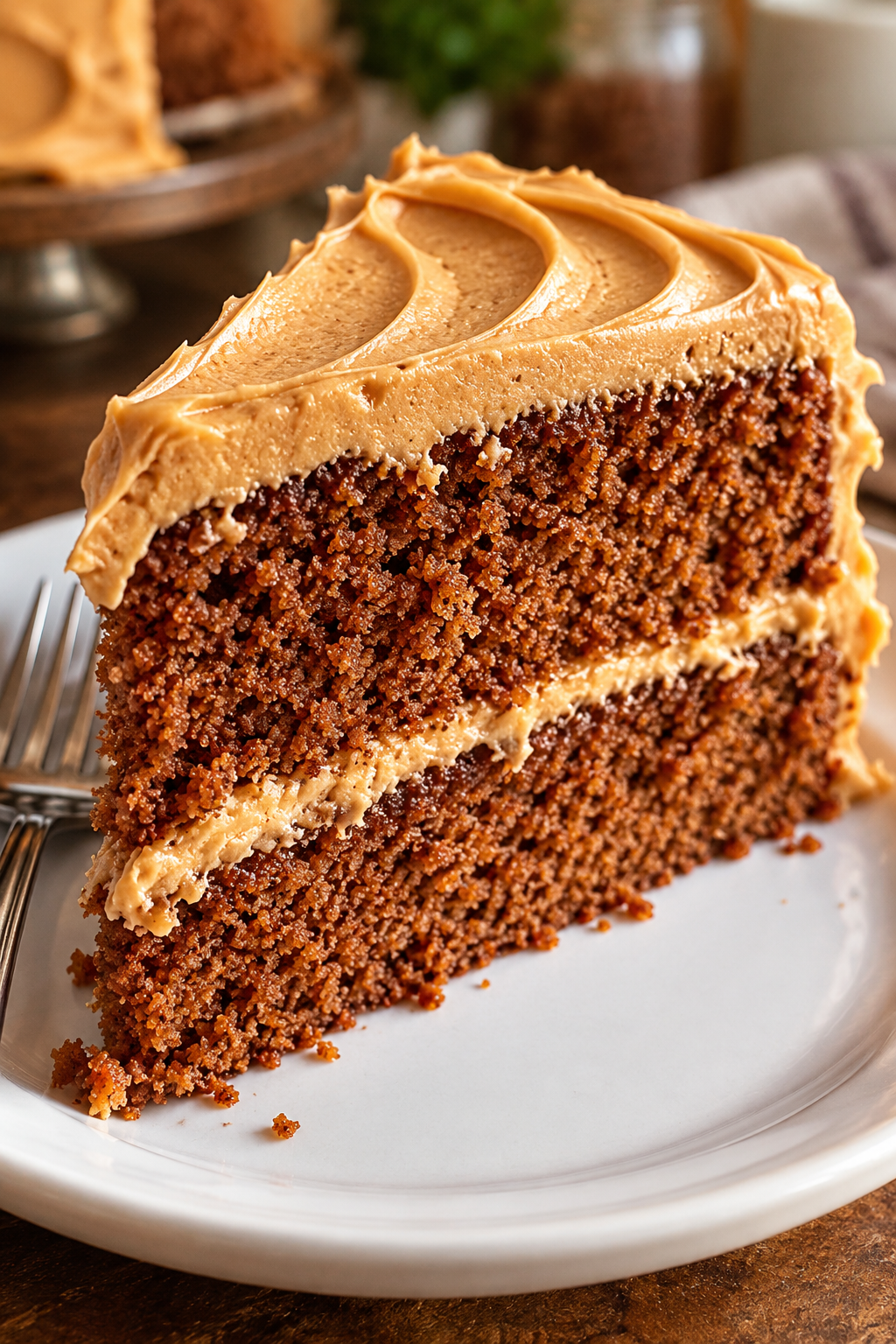
When the weather turns cooler and the days become shorter, nothing feels quite as comforting as a homemade gingerbread cake fresh from the kitchen. With its warm spices, deep molasses flavor, and soft, moist crumb, this Gingerbread Cake with Cinnamon Molasses Frosting is the kind of dessert that makes every bite feel like a cozy autumn afternoon.
The cake combines the classic flavors of ginger, cinnamon, nutmeg, and cloves with the rich sweetness of molasses. These ingredients create a beautifully spiced cake that is flavorful without being overpowering. Topped with a smooth cinnamon molasses frosting, it becomes an irresistible dessert for fall gatherings, holiday celebrations, or simply enjoying with a cup of coffee or tea.
What makes this recipe especially wonderful is the balance between the slightly dark, rich cake and the creamy frosting. The molasses adds depth, while the cinnamon brings warmth and the frosting provides a soft, sweet finish. Every slice is tender, fragrant, and full of nostalgic gingerbread flavor.
Whether you are baking for Thanksgiving, Christmas, a family gathering, or an ordinary weekend at home, this gingerbread cake is a delicious way to bring seasonal flavors to your table.
What Is Gingerbread Cake with Cinnamon Molasses Frosting?
Gingerbread cake is a traditional spiced dessert made with ingredients such as molasses, flour, butter or oil, brown sugar, and warm spices. Unlike crisp gingerbread cookies, this cake has a soft, tender texture that makes it easy to slice and serve.
Molasses is one of the most important ingredients because it gives the cake its signature deep flavor, dark color, and moist texture. Its rich sweetness pairs beautifully with ginger and cinnamon, creating the familiar taste associated with traditional gingerbread desserts.
The cinnamon molasses frosting takes the cake to another level. It combines a creamy frosting base with cinnamon and a touch of molasses, giving it a warm, slightly caramel-like flavor that complements the spiced cake.
Together, the cake and frosting create a dessert that feels both rustic and elegant. It can be served as a simple afternoon treat or dressed up for a festive dessert table.
Why You Will Love This Gingerbread Cake
1. Rich, warm spices
Ground ginger, cinnamon, nutmeg, and cloves give this cake its classic gingerbread flavor. The spices work together to create a fragrant dessert that tastes especially wonderful during the colder months.
2. A soft and moist texture
Molasses helps keep the cake moist while adding a deep, distinctive flavor. Each slice is tender, with a delicate crumb that pairs perfectly with the creamy frosting.
3. A deliciously unique frosting
The cinnamon molasses frosting is more than just a sweet topping. Its warm cinnamon flavor and subtle molasses notes complement the cake without overpowering it.
4. Perfect for fall and winter celebrations
This cake is an excellent choice for Thanksgiving, Christmas parties, autumn potlucks, and family dinners. Its warm aroma also makes it a lovely dessert to bake when you want your home to smell wonderful.
5. Easy to prepare at home
Although the flavors taste sophisticated, the recipe uses familiar baking ingredients and straightforward techniques. With a little preparation, you can make a beautiful homemade cake without complicated decorating skills.
6. Even better after the flavors settle
The gingerbread spices and molasses develop a deeper, more rounded flavor as the cake rests. This makes it a convenient dessert to prepare ahead of a gathering.
Recipe at a Glance
- Recipe name: Gingerbread Cake with Cinnamon Molasses Frosting
- Category: Dessert, cake, fall baking
- Cuisine: American-inspired
- Flavor profile: Warm, spiced, rich, and sweet
- Texture: Moist cake with creamy frosting
- Main ingredients: Molasses, flour, brown sugar, ginger, cinnamon, and butter
- Best occasions: Fall gatherings, Thanksgiving, Christmas, and weekend baking
- Serving suggestion: Serve a slice with coffee, tea, or warm apple cider
What Does Gingerbread Cake Taste Like?
The first thing you notice is the aroma. As the cake bakes, ginger, cinnamon, and molasses fill the kitchen with a warm, inviting fragrance.
The cake itself has a rich, slightly earthy sweetness from the molasses, balanced by the gentle heat of ginger and the warmth of cinnamon. Nutmeg and cloves add extra depth, creating a layered flavor that is more complex than an ordinary vanilla cake.
The texture should be soft and moist rather than dry or crumbly. A well-balanced gingerbread cake feels tender on the fork and holds together beautifully when sliced.
The frosting adds a creamy contrast. Its sweetness softens the stronger spice notes, while the cinnamon reinforces the flavors already present in the cake. A small amount of molasses gives the topping a deeper flavor and ties the entire dessert together.
The result is a comforting cake that tastes rich and festive without needing elaborate decorations.
The Secret to a Moist and Flavorful Gingerbread Cake
A successful gingerbread cake depends on more than simply adding spices to cake batter. A few important details help create the best possible texture and flavor.
Choose the right molasses
Unsulphured mild or dark molasses is generally a good choice for gingerbread cake. Mild molasses produces a gentler sweetness, while dark molasses creates a stronger, more robust flavor.
Avoid blackstrap molasses for a standard dessert recipe unless you specifically enjoy its intense, bitter flavor. It can overpower the other ingredients.
Use fresh spices
Ground ginger and cinnamon are the foundation of the cake’s flavor. Spices that have been sitting in the pantry for years may lose their aroma and taste less vibrant.
For the best result, use spices that still smell fragrant when you open their containers.
Measure the flour carefully
Adding too much flour can make the cake dense or dry. For the most consistent result, weigh the flour if possible. If measuring with cups, spoon the flour into the measuring cup and level it without packing it down.
Avoid overmixing
Once the dry ingredients are added, mix only until the batter comes together. Overmixing can develop excess gluten and make the cake tougher than intended.
Let the cake cool completely
The frosting should be added only after the cake has cooled. A warm cake can melt the butter in the frosting, causing it to become loose or slide off the surface.
Allowing the cake to cool also helps the crumb settle, making it easier to frost and slice neatly.
A Dessert That Belongs on Every Fall Table
Gingerbread Cake with Cinnamon Molasses Frosting is a wonderful example of how simple ingredients can create a memorable homemade dessert. The combination of molasses, warm spices, and creamy frosting delivers the familiar comfort of traditional gingerbread in a soft, sliceable cake.
It is delicious enough for special occasions but simple enough to make whenever you crave something sweet and warmly spiced. Serve it plain for a rustic presentation, spread the frosting generously over the top, or finish it with a light sprinkle of cinnamon for a polished look.
Gingerbread Cake with Cinnamon Molasses Frosting — Ingredients and Preparation
Ingredients for Gingerbread Cake
This recipe combines classic gingerbread ingredients with a creamy cinnamon molasses frosting. For the best results, measure everything before beginning and bring the refrigerated ingredients to the appropriate temperature.
For the Gingerbread Cake
- 2 ½ cups (313 g) all-purpose flour
- 1 teaspoon baking soda
- ½ teaspoon baking powder
- 2 teaspoons ground ginger
- 2 teaspoons ground cinnamon
- ¼ teaspoon ground nutmeg
- ¼ teaspoon ground cloves
- ½ teaspoon salt
- ½ cup (113 g) unsalted butter, softened
- ½ cup (100 g) packed brown sugar
- 2 large eggs, at room temperature
- ¾ cup (180 ml) unsulphured molasses
- 1 teaspoon vanilla extract
- ¾ cup (180 ml) hot water
- ½ cup (120 ml) buttermilk, at room temperature
For the Cinnamon Molasses Frosting
- 1 cup (226 g) unsalted butter, softened
- 3 cups (360 g) powdered sugar
- 2 tablespoons (30 ml) molasses
- 1 teaspoon ground cinnamon
- 1 teaspoon vanilla extract
- 2–3 tablespoons (30–45 ml) heavy cream or milk
- A small pinch of salt
The frosting ingredients create a smooth, spreadable topping with a warm cinnamon flavor and a subtle molasses richness. Add the cream gradually so you can control the consistency.
Understanding the Key Ingredients
All-purpose flour
All-purpose flour provides the structure of the cake while allowing the crumb to remain tender. Measure it accurately to prevent the cake from becoming too dense.
Molasses
Molasses gives gingerbread cake its characteristic dark color, rich sweetness, and distinctive flavor. Unsulphured mild or dark molasses works well for this recipe.
Avoid blackstrap molasses unless you prefer a much stronger, more bitter taste.
Brown sugar
Brown sugar adds moisture and a subtle caramel flavor. Its natural molasses content complements the molasses already used in the batter.
Light brown sugar creates a milder flavor, while dark brown sugar gives the cake a deeper, more pronounced caramel note.
Ground ginger and cinnamon
Ginger provides the signature warmth of gingerbread, while cinnamon adds sweetness and fragrance. Nutmeg and cloves contribute additional depth.
For a stronger spice flavor, you can increase the ground ginger slightly, but avoid adding too much clove because it can quickly overpower the other spices.
Buttermilk
Buttermilk contributes moisture and a slight tang that balances the sweetness of the molasses. Its acidity also works with the baking soda to support the cake’s rise.
If you do not have buttermilk, combine ½ cup of milk with 1½ teaspoons of lemon juice or white vinegar. Let the mixture stand for about 5–10 minutes before using it.
Unsalted butter
Butter adds richness to both the cake and frosting. Using softened butter makes it easier to cream with the sugar and whip into a smooth frosting.
For the frosting, the butter should be soft enough to press gently with a finger but not melted or greasy.
Powdered sugar
Powdered sugar sweetens and thickens the frosting while helping create a smooth texture. Sift it if it contains lumps.
Heavy cream or milk
A small amount of cream or milk loosens the frosting and makes it easier to spread. Add it one tablespoon at a time until the frosting reaches your preferred consistency.
Equipment You Will Need
Prepare the following equipment before starting:
- One 9 × 13-inch baking pan
- Mixing bowls
- Measuring cups and spoons or a kitchen scale
- Whisk
- Electric hand mixer or stand mixer
- Rubber spatula
- Fine-mesh sieve for the dry ingredients
- Cooling rack
- Offset spatula or butter knife for frosting
A 9 × 13-inch pan creates a convenient sheet cake that is easy to frost and serve. You can also use two 8-inch round pans, but the baking time will need to be adjusted.
Preparation Steps Before Baking
Prepare the oven and baking pan
Preheat the oven to 350°F (175°C). Grease a 9 × 13-inch baking pan with butter or nonstick cooking spray. For easier removal, line the bottom with parchment paper.
Make sure the oven has fully preheated before placing the cake inside. An oven that is not hot enough can affect the cake’s rise and texture.
Combine the dry ingredients
In a medium bowl, whisk together the flour, baking soda, baking powder, ground ginger, cinnamon, nutmeg, cloves, and salt.
Whisking distributes the spices and leavening agents evenly throughout the flour. This helps prevent concentrated pockets of baking soda or spices in the finished cake.
Set the bowl aside.
Cream the butter and brown sugar
In a large mixing bowl, beat the softened butter and brown sugar with an electric mixer until the mixture looks creamy and slightly fluffy, usually about 2–3 minutes.
Scrape down the sides of the bowl as needed so everything mixes evenly.
This step helps incorporate air into the batter, contributing to a lighter cake texture.
Add the eggs and flavorings
Add the eggs one at a time, beating after each addition. Mix in the vanilla extract and molasses until the mixture is smooth and evenly colored.
The batter may look slightly separated after adding the molasses. This is not necessarily a problem; the dry ingredients and liquids will help bring it together.
Combine the wet and dry ingredients
Add the dry ingredients in portions, alternating with the buttermilk and hot water. Begin and end with the dry ingredients, mixing gently after each addition.
Do not beat the batter excessively. Stop as soon as the ingredients are incorporated and no large streaks of flour remain.
The finished batter should be smooth and relatively loose, which helps produce a moist gingerbread cake.
Important Tips Before Moving to Part 3
- Use hot water as directed, but do not substitute boiling water directly from a kettle without care.
- Measure the molasses accurately; too much can make the cake overly heavy or sticky.
- Avoid overmixing after adding the flour.
- Scrape the bottom of the bowl to check for hidden pockets of dry ingredients.
- Do not frost the cake while it is warm.
- Keep the frosting ingredients at room temperature for easier mixing, but avoid letting the butter become melted.
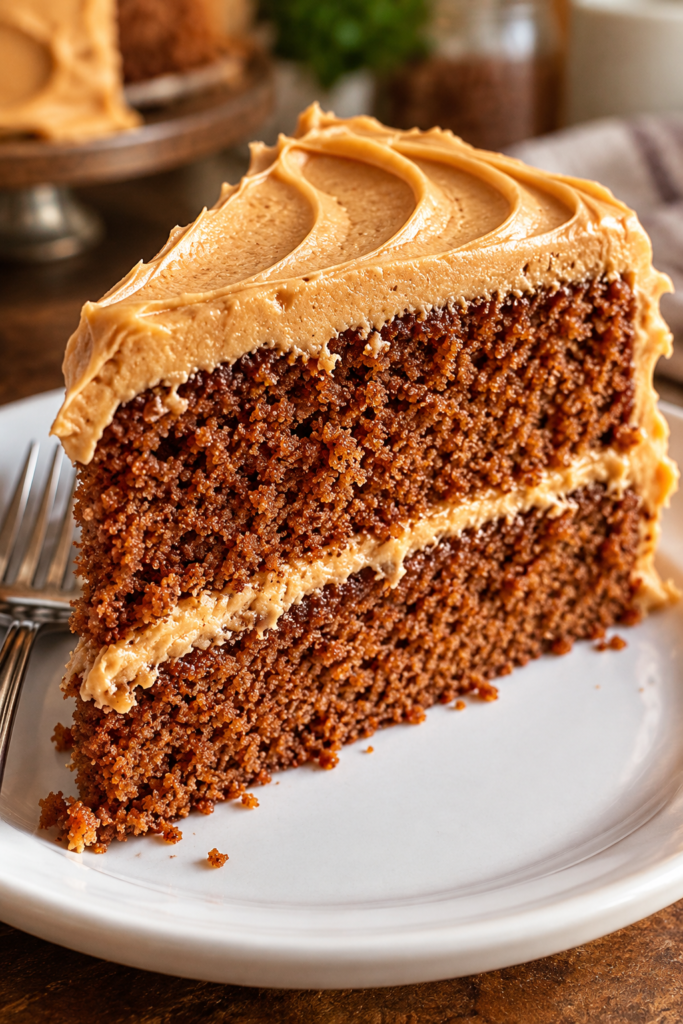
Gingerbread Cake with Cinnamon Molasses Frosting — Step-by-Step Baking Instructions
How to Make Gingerbread Cake with Cinnamon Molasses Frosting
Now that the ingredients are prepared, it is time to bake the cake and make the rich cinnamon molasses frosting. Follow these steps carefully to achieve a moist, tender cake with a smooth, creamy topping.
Pour the Batter into the Pan
Once the batter is mixed, pour it into the prepared 9 × 13-inch baking pan.
Use a rubber spatula to scrape all the batter from the mixing bowl. Gently spread it into an even layer, making sure the corners are filled.
Tap the pan lightly against the counter once or twice to release any large air bubbles. Avoid excessive tapping, as you do not want to remove too much of the air incorporated during mixing.
Bake the Gingerbread Cake
Place the pan on the center rack of the preheated oven and bake at 350°F (175°C) for approximately 30–40 minutes.
Baking time may vary depending on your oven and the material of your pan. Begin checking the cake around the 30-minute mark.
To check for doneness, insert a toothpick into the center. It should come out clean or with a few moist crumbs, but without wet batter.
The top should look set, and the center should spring back gently when touched.
Avoid overbaking the cake. Because molasses gives the batter a naturally rich color, the cake may look dark before it is fully baked. Use the toothpick test rather than relying on color alone.
Cool the Cake Completely
Remove the pan from the oven and place it on a cooling rack.
Allow the cake to cool in the pan for approximately 15–20 minutes, then let it continue cooling until it reaches room temperature.
Cooling completely is essential before adding the frosting. If the cake is still warm, the butter in the frosting can melt, leaving the topping runny and difficult to spread.
If you are preparing the cake ahead of time, you can let it cool completely and cover it until you are ready to frost it.
Beat the Butter for the Frosting
Place the softened butter in a large mixing bowl.
Using an electric mixer, beat the butter for approximately 2–3 minutes until it becomes smooth, pale, and creamy.
Scrape down the sides of the bowl as needed. Properly softened butter helps create a frosting that is light and easy to spread.
If the butter is too cold, the frosting may become lumpy. If it is melted, the frosting may turn greasy or too soft.
Add the Powdered Sugar
Add the powdered sugar gradually, mixing on low speed after each addition to prevent it from scattering.
Once all the sugar has been incorporated, increase the mixer speed to medium and beat until the mixture looks fluffy.
Scrape the sides and bottom of the bowl to ensure the sugar is evenly combined with the butter.
At this stage, the frosting will be thick. The molasses and cream will help develop its final flavor and consistency.
Add the Cinnamon and Molasses
Add the molasses, ground cinnamon, vanilla extract, and a small pinch of salt to the frosting.
Beat until everything is evenly combined and the frosting takes on a uniform color.
The molasses contributes a deep, slightly caramel-like sweetness, while cinnamon enhances the warm spice flavor of the cake. Vanilla rounds out the flavor, and a little salt helps balance the sweetness.
Taste the frosting and adjust the cinnamon slightly if desired. Avoid adding too much molasses, as excess liquid can make the frosting too soft.
Adjust the Frosting Consistency
Add the heavy cream or milk one tablespoon at a time, beating after each addition.
Continue until the frosting is creamy and spreadable. You may not need all the liquid, depending on the softness of the butter and the consistency of your molasses.
The frosting should hold its shape while remaining easy to spread across the cake.
If it becomes too thin, add a little more powdered sugar. If it is too thick, add a small amount of cream or milk.
For a lighter texture, beat the frosting for another minute after adjusting the consistency.
Frost the Gingerbread Cake
Once the cake is completely cool, spoon the frosting onto the surface.
Use an offset spatula or butter knife to spread it evenly from the center toward the edges.
You can create a smooth finish for a simple, elegant appearance or make gentle swirls in the frosting for a more rustic homemade look.
For an extra touch, lightly dust the top with cinnamon just before serving. You can also add a few finely chopped pecans or walnuts if you enjoy a little crunch.
Keep the decoration simple so the warm gingerbread flavor remains the star of the dessert.
Let the Cake Rest Before Serving
Although you can serve the cake immediately after frosting, allowing it to rest for about 20–30 minutes helps the frosting settle.
For a more developed spice flavor, prepare the cake a few hours ahead of serving. The molasses and spices will have time to blend together, creating a richer taste.
If your kitchen is warm or you need to store the cake for longer, refrigerate it in an airtight container. Let individual slices sit at room temperature briefly before serving for the best texture.
Tips for the Best Results
Do not overmix the batter
Mixing too much after adding the flour can make the cake dense. Gentle mixing helps preserve a soft, tender crumb.
Check the cake early
Ovens vary, so start checking for doneness at around 30 minutes. Remove the cake once the center is baked through to prevent it from drying out.
Use room-temperature eggs and buttermilk
These ingredients combine more easily with the butter mixture and help create a more uniform batter.
Adjust the frosting gradually
Add cream slowly rather than pouring it all in at once. This makes it easier to achieve a thick, creamy consistency.
Cool before frosting
This is one of the most important steps. A completely cooled cake allows the frosting to stay creamy and maintain its shape.
Troubleshooting Common Problems
Why is my gingerbread cake dry?
The cake may have been overbaked or measured with too much flour. Check the center early and measure the flour accurately.
Why is my cake dense?
Overmixing, inaccurate measurements, or expired leavening agents can affect the texture. Make sure the baking soda and baking powder are fresh and mix only until the ingredients are combined.
Why is my frosting too runny?
The butter may have been too warm, or too much cream or molasses may have been added. Refrigerate the frosting briefly, then beat it again. You can also add a little powdered sugar to thicken it.
Why does my cake taste too strongly of molasses?
Dark molasses has a more intense flavor than mild molasses. Choose unsulphured mild molasses for a gentler, sweeter result.
Why is the frosting difficult to spread?
It may be too cold or too thick. Let it soften slightly at room temperature or beat in a small amount of cream.
The Perfect Gingerbread Cake Is Ready
Your Gingerbread Cake with Cinnamon Molasses Frosting should now have a soft, moist crumb, a rich spiced flavor, and a smooth frosting that complements every bite.
The contrast between the deep molasses cake and the creamy cinnamon topping makes this dessert especially satisfying during fall and winter. It is simple enough for everyday baking yet attractive enough to serve at holiday gatherings.
Gingerbread Cake with Cinnamon Molasses Frosting — Serving, Storage, Variations, and FAQs
How to Serve Gingerbread Cake with Cinnamon Molasses Frosting
Gingerbread Cake with Cinnamon Molasses Frosting is a wonderful dessert for autumn afternoons, holiday dinners, and cozy evenings at home. Its warm spices and rich molasses flavor make it especially satisfying when served with a comforting drink or a simple seasonal accompaniment.
Serve with Coffee or Tea
A slice of gingerbread cake pairs beautifully with freshly brewed coffee, black tea, or a cinnamon latte. The slight bitterness of coffee balances the sweetness of the frosting, while tea complements the cake’s warm spices.
For a seasonal presentation, serve each slice with a cup of hot apple cider or chai tea.
Add a Scoop of Ice Cream
For a more indulgent dessert, serve the cake with a scoop of vanilla ice cream. The cold, creamy texture contrasts nicely with the soft cake and rich frosting.
Caramel or cinnamon ice cream can also complement the molasses flavor.
Garnish for a Festive Finish
You can keep the cake simple or add a few finishing touches just before serving.
- A light dusting of ground cinnamon
- Finely chopped pecans or walnuts
- A drizzle of caramel sauce
- A small amount of freshly whipped cream
- A few thin slices of pear or apple on the side
Choose one or two garnishes rather than adding too many. The cake already has a rich flavor, so a simple presentation often works best.
How to Store Gingerbread Cake
Proper storage helps preserve the cake’s moisture and keeps the frosting fresh.
At Room Temperature
If the cake will be eaten within a short period, follow the storage guidance for your particular frosting and kitchen conditions. Because this frosting contains butter and may include milk or cream, refrigeration is the safest general option for extended storage.
For serving, individual slices can be brought briefly to room temperature to soften the frosting.
In the Refrigerator
Place the cake in an airtight container or cover the pan tightly with plastic wrap. Refrigerate for up to 4 days for the best quality.
The cake may become slightly firmer when chilled. Let a slice stand at room temperature for approximately 15–20 minutes before serving to improve its texture and flavor.
Can You Freeze Gingerbread Cake?
Yes. For the best results, freeze the cake without frosting whenever possible.
- Allow the cake to cool completely.
- Wrap individual portions or the whole unfrosted cake tightly in plastic wrap.
- Add a layer of aluminum foil or place the wrapped cake in a freezer-safe container.
- Freeze for up to 3 months for the best quality.
- Thaw overnight in the refrigerator or until completely defrosted before frosting and serving.
You can also freeze frosted portions, although the frosting may change slightly in texture after thawing. Freeze the slices on a tray until firm, then wrap them individually and store them in a freezer-safe container.
Delicious Variations to Try
One of the best things about gingerbread cake is how easily it can be adapted. The classic recipe is delicious on its own, but a few simple changes can create a different flavor or presentation.
1. Gingerbread Cake with Cream Cheese Frosting
Replace the cinnamon molasses frosting with cream cheese frosting for a tangier finish. The slight acidity of cream cheese balances the rich molasses flavor, creating a delicious contrast.
You can still add a little cinnamon to the frosting to maintain the cake’s warm spice profile.
2. Gingerbread Bundt Cake
Bake the batter in a well-greased Bundt pan for a more decorative presentation. Make sure the pan is thoroughly coated to prevent sticking, and adjust the baking time according to the pan’s size and shape.
Once cooled, drizzle the cinnamon molasses frosting over the cake instead of spreading it in a thick layer.
3. Gingerbread Cake with Pecans
Add approximately ½ cup of chopped pecans or walnuts to the batter for extra texture. The nuts bring a pleasant crunch that contrasts with the soft cake.
You can also sprinkle toasted nuts over the frosting before serving.
4. Extra-Spiced Gingerbread Cake
If you enjoy a stronger gingerbread flavor, slightly increase the ground ginger or add a small amount of finely grated fresh ginger.
Keep the other spices balanced so the ginger does not overwhelm the molasses and cinnamon.
5. Gingerbread Cupcakes
Divide the batter among lined muffin cups, filling each approximately two-thirds full. Bake at 350°F (175°C), checking for doneness after about 18–22 minutes.
Allow the cupcakes to cool completely before piping or spreading the frosting on top.
6. Gingerbread Cake with Orange Zest
Add a little finely grated orange zest to the batter or frosting. Orange brings a fresh citrus note that pairs beautifully with ginger, cinnamon, and molasses.
This variation is particularly lovely for winter celebrations.
7. Gingerbread Cake with Caramel Drizzle
For a richer dessert, drizzle a small amount of caramel sauce over the frosted cake just before serving. The caramel enhances the molasses flavor and gives the cake an elegant finish.
Frequently Asked Questions
Can I make gingerbread cake ahead of time?
Yes. You can bake the cake a day ahead, allow it to cool completely, and store it covered. Prepare the frosting and decorate the cake when convenient. If the cake is already frosted, keep it refrigerated in an airtight container.
Can I use dark brown sugar instead of light brown sugar?
Yes. Dark brown sugar has a stronger molasses flavor and can make the cake taste richer. Light brown sugar produces a slightly milder result. Both work well in this recipe.
What type of molasses is best for gingerbread cake?
Unsulphured mild or dark molasses is generally best. Mild molasses provides a gentler sweetness, while dark molasses creates a deeper flavor. Blackstrap molasses is usually too bitter for this style of cake.
Why is my gingerbread cake sticky?
Molasses naturally creates a moist, slightly sticky crumb. However, a cake that is excessively sticky or gummy may be underbaked or contain too much liquid. Check the center with a toothpick and measure the ingredients carefully.
Can I make the cake without buttermilk?
Yes. Combine ½ cup of milk with 1½ teaspoons of lemon juice or white vinegar. Let it stand for 5–10 minutes before using it as a substitute.
Can I make the frosting without molasses?
Yes. Leave out the molasses and increase the vanilla slightly if desired. The frosting will have a more traditional cinnamon-buttercream flavor, with less of the deep caramel-like taste.
How do I know when the cake is fully baked?
Insert a toothpick into the center. It should come out clean or with a few moist crumbs, without wet batter. The center should also spring back gently when touched.
Can I use this recipe for a layer cake?
Yes, but divide the batter between two appropriately sized round pans and begin checking for doneness earlier than you would with a 9 × 13-inch cake. Cool the layers completely before frosting, and make sure the frosting is thick enough to hold between the layers.
Does gingerbread cake taste better the next day?
Many people find that the spice flavors become more pronounced after the cake rests. For the best results, store it covered in the refrigerator and allow individual slices to soften slightly before serving.
Helpful Tips for Success
Before making this recipe, keep these important details in mind:
- Measure the flour accurately to avoid a dry or dense cake.
- Use fresh ground spices for the best aroma and flavor.
- Avoid overmixing the batter after adding the flour.
- Check the cake before the end of the suggested baking time.
- Cool the cake completely before applying the frosting.
- Add cream to the frosting gradually to control its consistency.
- Refrigerate the frosted cake and store it in an airtight container.
These small details can make a noticeable difference in the final result, helping you achieve a tender cake and a smooth, flavorful topping.
Final Thoughts
Gingerbread Cake with Cinnamon Molasses Frosting is a comforting homemade dessert that brings together everything people love about seasonal baking. The rich molasses, warm spices, moist crumb, and creamy cinnamon frosting create a cake that feels special without requiring complicated techniques.
It is an excellent choice for Thanksgiving gatherings, Christmas celebrations, autumn potlucks, or a quiet afternoon when you want something homemade and delicious. You can serve it simply with coffee, dress it up with pecans and caramel, or adapt it into cupcakes for sharing.
Once you try this combination of gingerbread and cinnamon molasses frosting, it may become one of your favorite recipes for the fall and winter seasons.