

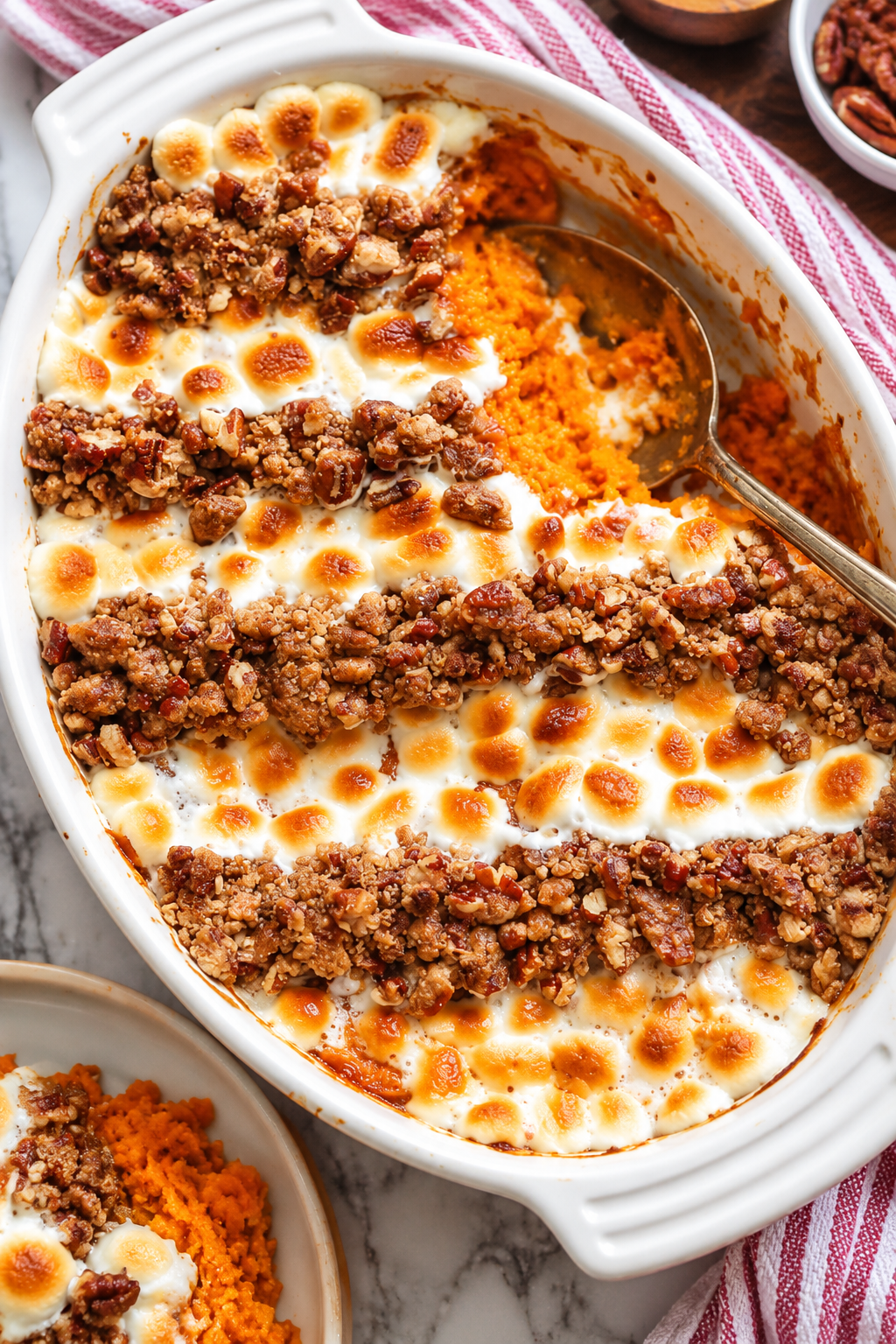
Sweet Potato : Easy, Delicious, and Flavorful Sweet Potato Recipes
What Makes Sweet Potatoes So Special?
Sweet potatoes are one of the most versatile ingredients you can keep in your kitchen. Naturally sweet, colorful, and satisfying, they can be roasted, baked, mashed, air-fried, or transformed into delicious soups, casseroles, and desserts.
Their soft, creamy texture and mildly sweet flavor make them perfect for both sweet and savory recipes. Whether you’re preparing crispy roasted sweet potatoes for dinner, making comforting mashed sweet potatoes for a holiday meal, or baking a delicious sweet potato pie, this ingredient offers endless possibilities.
Sweet potatoes are especially popular during the fall and winter months, when warm, comforting dishes become favorites for family dinners and holiday gatherings. However, they’re delicious all year round and can easily fit into everyday meals.
Why You’ll Love Cooking with Sweet Potatoes
There are plenty of reasons to make sweet potatoes a regular part of your cooking routine.
- Versatile: Enjoy them roasted, mashed, baked, fried, or blended into soups.
- Naturally sweet: Their flavor works beautifully with cinnamon, maple syrup, butter, garlic, and herbs.
- Easy to prepare: Many sweet potato recipes require only a few basic ingredients.
- Perfect for meal prep: Cooked sweet potatoes can be prepared ahead and incorporated into different meals.
- Great for every occasion: Serve them as a simple weeknight side dish or as part of a festive holiday dinner.
- Easy to customize: Add your favorite spices, toppings, sauces, or vegetables.
From crispy sweet potato wedges to creamy mashed sweet potatoes, there is a recipe for almost every taste and occasion.
What Do Sweet Potatoes Taste Like?
Sweet potatoes have a naturally sweet, earthy flavor with a creamy texture when cooked. Their taste becomes richer and more caramelized when roasted or baked, especially when the natural sugars develop a golden exterior.
Different cooking methods create different results:
- Roasted sweet potatoes: Tender inside with golden, caramelized edges.
- Mashed sweet potatoes: Smooth, creamy, and perfect with butter and seasonings.
- Baked sweet potatoes: Soft and fluffy inside, ideal for adding savory or sweet toppings.
- Air-fried sweet potatoes: Crispy on the outside and tender in the center.
- Sweet potato soup: Velvety, comforting, and delicious with garlic, onion, and warming spices.
Their flavor pairs well with both savory ingredients, such as rosemary, paprika, garlic, and black pepper, and sweet ingredients, such as cinnamon, brown sugar, maple syrup, and vanilla.
Ingredients That Pair Well with Sweet Potatoes
One of the best things about sweet potatoes is how easily they work with ingredients you probably already have at home.
1. Olive Oil or Butter
Olive oil helps sweet potatoes roast beautifully and develop golden edges. Butter adds richness to mashed, baked, or casserole-style recipes.
2. Garlic
Garlic gives sweet potatoes a savory flavor that balances their natural sweetness. It works particularly well in roasted cubes, wedges, and soups.
3. Cinnamon
Cinnamon enhances the natural sweetness of sweet potatoes and is especially delicious in mashed sweet potatoes, casseroles, and desserts.
4. Paprika
Paprika adds color and a mild smoky flavor to roasted sweet potatoes and fries. Smoked paprika is an excellent option when you want a deeper, more savory taste.
5. Fresh Herbs
Rosemary, thyme, and parsley add freshness and aroma. These herbs are particularly good in oven-roasted sweet potatoes.
6. Brown Sugar or Maple Syrup
These ingredients complement the natural sweetness of sweet potatoes and help create a caramelized finish when used in moderation.
7. Salt and Black Pepper
Salt enhances the overall flavor, while black pepper adds a gentle kick to savory preparations.
8. Cheese
Parmesan adds a savory, nutty flavor to roasted sweet potatoes, while cheddar works well in loaded baked sweet potatoes and casseroles.
Tips for Choosing and Preparing Sweet Potatoes
To get the best results from your recipes, keep these simple tips in mind:
- Choose firm sweet potatoes: Look for smooth skin without soft spots, deep cuts, or signs of spoilage.
- Choose similar sizes: Sweet potatoes of similar size cook more evenly when roasted or baked whole.
- Wash thoroughly: Scrub the skin under running water before cutting or baking.
- Cut evenly: Uniform cubes or wedges help prevent some pieces from burning while others remain undercooked.
- Avoid overcrowding the pan: Leave space between pieces to encourage roasting rather than steaming.
- Season generously: Sweet potatoes benefit from a balance of salt, fat, and spices.
- Check for tenderness: A fork or knife should slide easily into the flesh when they are fully cooked.
Are Sweet Potatoes Good for Everyday Cooking?
Sweet potatoes are a useful ingredient for everyday meals because they can be prepared in many ways and paired with a wide range of foods. They provide carbohydrates, fiber, and nutrients such as beta-carotene, which the body can convert into vitamin A.
Their natural sweetness also means that many recipes can be flavorful without requiring large amounts of added sugar.
You can serve them alongside chicken, fish, beans, or roasted vegetables, add them to grain bowls, or use them as the base for a filling vegetarian meal.
Final Thoughts
Sweet potatoes are much more than a holiday ingredient. Their natural sweetness, creamy texture, and versatility make them perfect for simple side dishes, comforting dinners, crispy snacks, and homemade desserts.
Whether you prefer savory roasted sweet potatoes, golden air-fryer fries, creamy mashed sweet potatoes, or a classic sweet potato casserole, there are countless ways to enjoy them.
Sweet Potato : Ingredients, Measurements, and Preparation Tips
Sweet potatoes are easy to prepare, and with the right seasonings, you can turn them into a delicious side dish for almost any meal. This simple roasted sweet potato recipe creates tender centers with golden, caramelized edges and a flavorful coating of herbs and spices.
Ingredients for Roasted Sweet Potatoes
Servings: 4 | Preparation time: 10 minutes | Cooking time: 25–35 minutes
Main Ingredients
- 2 pounds (900 g) sweet potatoes – Peeled or unpeeled and cut into evenly sized cubes.
- 2 tablespoons olive oil – Helps the sweet potatoes roast evenly and develop golden edges.
- 1 teaspoon garlic powder – Adds a savory, aromatic flavor.
- 1 teaspoon paprika – Gives the potatoes a warm color and mild smoky taste.
- ½ teaspoon dried rosemary or thyme – Adds an earthy herbal flavor.
- ½ teaspoon salt, or to taste – Enhances the natural sweetness.
- ¼ teaspoon black pepper – Adds a gentle kick.
Optional Ingredients
- ½ teaspoon onion powder – Adds extra savory flavor.
- ¼ teaspoon smoked paprika – Provides a deeper smoky taste.
- 1 tablespoon chopped fresh parsley – For a fresh finish after roasting.
- 1–2 teaspoons grated Parmesan cheese – Adds a savory, cheesy touch.
- 1 teaspoon maple syrup – Creates a slightly sweeter, caramelized finish.
You can adjust the seasonings depending on whether you prefer a savory side dish or a sweeter preparation.
Equipment You’ll Need
Gather these kitchen tools before starting:
- Sharp knife
- Cutting board
- Vegetable peeler, if desired
- Large mixing bowl
- Measuring spoons
- Large baking sheet
- Parchment paper, optional
- Spatula or tongs
A large baking sheet is especially important because spreading the sweet potatoes in a single layer helps them brown instead of steam.
How to Choose the Best Sweet Potatoes
Choose sweet potatoes that feel firm and have smooth, relatively unblemished skin. Avoid those with soft spots, deep cuts, or signs of spoilage.
Orange-fleshed varieties are popular for roasting because they develop a tender texture and a naturally sweet flavor. Choose potatoes of similar size to make cutting easier.
Ingredient Substitutions
Olive oil: Substitute avocado oil or another neutral cooking oil suitable for roasting.
Garlic powder: Use approximately one small minced garlic clove, adding it carefully so it doesn’t burn during roasting.
Rosemary or thyme: Substitute dried oregano or Italian seasoning.
Paprika: Use smoked paprika for a deeper flavor or omit it if you prefer a milder seasoning.
Fresh herbs: Dried herbs can be used instead, but use less because their flavor is more concentrated.
Parmesan cheese: Leave it out for a dairy-free version, or substitute another hard cheese that melts well.
Important Preparation Tips
1. Cut the Sweet Potatoes Evenly
Cut the potatoes into cubes approximately ¾–1 inch in size. Similar-sized pieces cook at a similar rate and develop more consistent texture.
2. Dry Them Before Seasoning
After washing, pat the sweet potatoes dry with a clean kitchen towel. Removing excess surface moisture helps them roast and brown more effectively.
3. Coat Every Piece with Oil
Toss the cubes thoroughly with olive oil before adding the seasonings. A light, even coating helps the spices stick and encourages browning.
4. Avoid Overcrowding the Baking Sheet
Spread the cubes in a single layer with some space between them. If the pan is too crowded, the potatoes may steam instead of developing caramelized edges.
5. Turn Halfway Through Cooking
Turning the pieces about halfway through baking encourages more even browning on several sides.
6. Add Fresh Herbs After Roasting
Fresh parsley is best added after cooking to preserve its bright color and flavor. If using Parmesan, sprinkle it over the potatoes near the end of baking.
Before You Start Cooking
Preheat the oven to 425°F (220°C). Wash the sweet potatoes, cut them into evenly sized cubes, and pat them dry.
Toss them with olive oil, garlic powder, paprika, rosemary or thyme, salt, and black pepper. Spread them across a large baking sheet in a single layer.
Roast for approximately 25–35 minutes, turning halfway through, until the centers are tender and the edges are golden and caramelized.
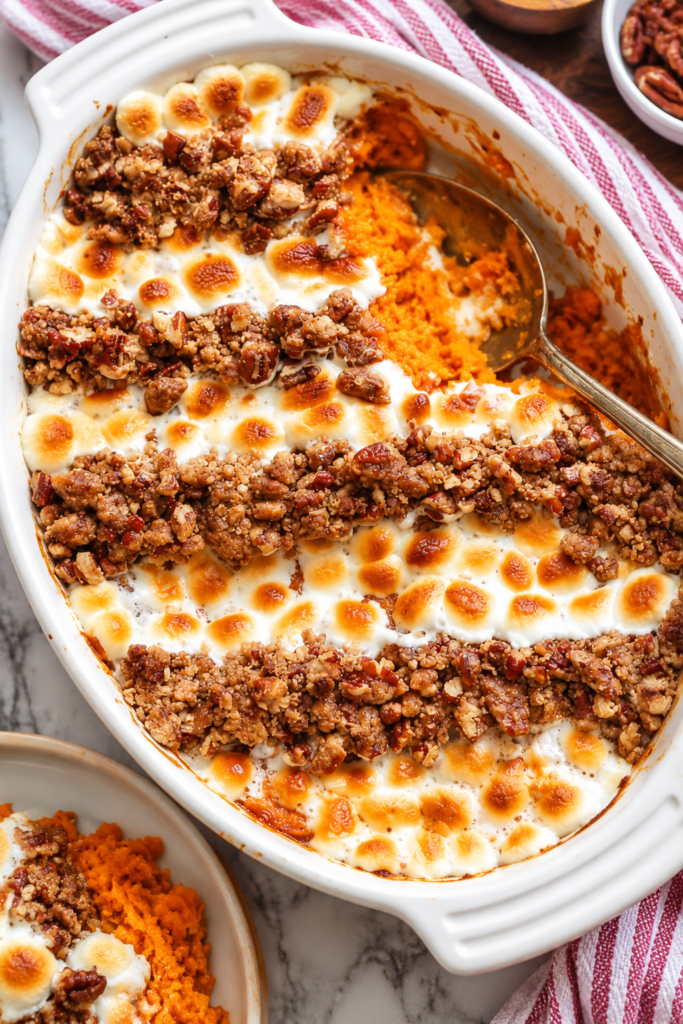
Sweet Potato : Step-by-Step Instructions
Preheat the Oven
Preheat your oven to 425°F (220°C). Prepare a large baking sheet and line it with parchment paper if desired.
A hot oven helps the sweet potatoes develop golden, caramelized edges while keeping the centers tender.
Wash and Cut the Sweet Potatoes
Wash 2 pounds (900 g) of sweet potatoes thoroughly under running water, scrubbing away any dirt. Peel them if desired, or leave the skins on for extra texture.
Cut the sweet potatoes into evenly sized cubes, approximately ¾–1 inch thick. Keeping the pieces similar in size helps them cook evenly.
Pat the cubes dry with a clean kitchen towel to remove excess moisture.
Season the Sweet Potatoes
Transfer the sweet potato cubes to a large mixing bowl.
Add the following ingredients:
- 2 tablespoons olive oil
- 1 teaspoon garlic powder
- 1 teaspoon paprika
- ½ teaspoon dried rosemary or thyme
- ½ teaspoon salt, or to taste
- ¼ teaspoon black pepper
Toss everything together until the sweet potato pieces are evenly coated with the oil and seasonings.
If desired, add ½ teaspoon onion powder for extra savory flavor.
Arrange on the Baking Sheet
Spread the seasoned sweet potatoes across the prepared baking sheet in a single layer.
Leave a little space between the pieces to allow hot air to circulate. If necessary, use two baking sheets rather than overcrowding one.
Proper spacing helps the sweet potatoes roast instead of steam, resulting in better browning and texture.
Roast Until Tender and Golden
Place the baking sheet in the preheated oven and roast for 25–35 minutes, depending on the size of the cubes.
After approximately 15 minutes, carefully turn the pieces with a spatula so they brown more evenly.
Continue roasting until the edges are golden and lightly caramelized and the centers are tender when pierced with a fork.
Larger cubes may need a little extra time, while smaller pieces can cook more quickly.
Add Optional Finishing Ingredients
Once the sweet potatoes are roasted, remove them from the oven.
For extra flavor, you can:
- Sprinkle with 1 tablespoon chopped fresh parsley.
- Add 1–2 teaspoons grated Parmesan cheese.
- Drizzle with 1 teaspoon maple syrup for a slightly sweeter finish.
- Add a pinch of smoked paprika for a deeper, smoky flavor.
Toss gently to distribute any added ingredients without breaking the tender pieces.
Serve Warm
Transfer the roasted sweet potatoes to a serving dish and serve immediately while the edges are still golden and the centers are soft.
They pair beautifully with roasted chicken, grilled fish, burgers, salads, or other roasted vegetables. You can also add them to grain bowls or serve them alongside your favorite protein for a satisfying meal.
Sweet Potato : Serving Ideas, Storage, and FAQs
How to Serve Roasted Sweet Potatoes
Roasted sweet potatoes are a versatile side dish that pairs well with everyday meals and special occasions. Their naturally sweet flavor, caramelized edges, and tender centers complement a wide variety of ingredients.
Here are some delicious ways to serve them:
- With roasted chicken: A simple combination for a comforting family dinner.
- Alongside grilled salmon: The natural sweetness pairs beautifully with savory fish.
- In grain bowls: Combine roasted sweet potatoes with quinoa, rice, chickpeas, and fresh vegetables.
- With burgers: Serve them as an alternative to traditional potato fries.
- In fresh salads: Add warm sweet potato cubes to leafy greens with feta cheese and a light vinaigrette.
- With roasted vegetables: Combine them with Brussels sprouts, carrots, or broccoli for a colorful side dish.
- As a holiday side: Serve them alongside turkey, ham, or other festive dishes.
For extra flavor, finish the sweet potatoes with fresh parsley, grated Parmesan, or a drizzle of maple syrup, depending on whether you prefer a savory or slightly sweet result.
Tips for the Best Roasted Sweet Potatoes
- Choose firm sweet potatoes: Fresh potatoes with smooth skin and no soft spots are ideal.
- Cut into uniform cubes: This helps prevent smaller pieces from burning before larger pieces are tender.
- Use a hot oven: Roasting at 425°F (220°C) encourages golden, caramelized edges.
- Dry the potatoes thoroughly: Removing excess moisture helps improve browning.
- Spread them in one layer: Overcrowding traps steam and can make the potatoes softer.
- Turn halfway through roasting: This encourages even cooking and browning.
- Add fresh herbs at the end: Parsley and other delicate herbs retain their color and flavor when added after roasting.
How to Store Leftover Sweet Potatoes
Refrigerator: Allow the roasted sweet potatoes to cool slightly, then transfer them to an airtight container. Refrigerate within 2 hours and use within 3–4 days.
Freezer: Arrange the cooled cubes on a tray and freeze until firm. Transfer them to a freezer-safe bag or container and freeze for up to 3 months for the best quality. Their texture may soften slightly after thawing.
Reheating in the oven: Spread the sweet potatoes on a baking sheet and reheat at 400°F (200°C) for approximately 8–12 minutes, or until heated through.
Reheating in an air fryer: Heat at 375°F (190°C) for approximately 3–6 minutes, shaking the basket halfway through. Check frequently to avoid overcooking.
Microwave: Heat in short intervals until warm. This is convenient, although the sweet potatoes will be softer and less crispy.
Delicious Variations to Try
1. Garlic Parmesan Sweet Potatoes
Toss the roasted sweet potatoes with grated Parmesan, extra garlic powder, and fresh parsley. This savory version is perfect for serving with chicken or fish.
2. Sweet and Spicy Sweet Potatoes
Add a pinch of cayenne pepper or chili flakes to the seasoning mixture. The mild heat balances the potatoes’ natural sweetness.
3. Maple Cinnamon Sweet Potatoes
Toss the cubes with a little maple syrup and cinnamon for a sweeter flavor. Add the syrup toward the end of roasting to reduce the risk of burning.
4. Smoky Paprika Sweet Potatoes
Replace regular paprika with smoked paprika and add a pinch of cumin. This variation works especially well in grain bowls and alongside grilled meats.
5. Mediterranean Sweet Potatoes
Season with oregano, garlic, and olive oil. After roasting, add chopped parsley, crumbled feta, and a squeeze of lemon juice.
Frequently Asked Questions
1. Do I need to peel sweet potatoes before roasting?
No. The skin is edible, and you can leave it on after washing and scrubbing thoroughly. Peeling them is also fine if you prefer a smoother texture.
2. Why are my roasted sweet potatoes not crispy?
Excess moisture, overcrowding, or insufficient heat can prevent good browning. Dry the cubes thoroughly, use a hot oven, and spread the pieces in a single layer.
Sweet potatoes also contain more moisture and natural sugars than some white potatoes, so their texture may be more tender than that of traditional fries.
3. How do I know when sweet potatoes are fully cooked?
They should be tender in the center and lightly caramelized around the edges. A fork should slide easily into the thickest pieces.
4. Can I prepare sweet potatoes ahead of time?
Yes. Wash, peel if desired, and cut them ahead of time. Store the uncooked cubes in a covered container in the refrigerator and use them within about 24 hours for the best quality. Dry them thoroughly before seasoning and roasting.
5. Can I cook sweet potatoes in an air fryer?
Absolutely. Toss the cubes with oil and seasonings, then cook at approximately 400°F (200°C) for 12–18 minutes, shaking the basket halfway through. Cooking time depends on the cube size and your appliance.
6. Are sweet potatoes suitable for meal prep?
Yes. Roasted sweet potatoes can be divided into meal-prep containers and paired with vegetables, grains, beans, chicken, or fish. Refrigerate promptly and reheat thoroughly before eating.
7. Can I use different seasonings?
Of course. Garlic powder, paprika, rosemary, thyme, cumin, chili powder, cinnamon, and black pepper all work well. Choose a combination that complements the rest of your meal.
8. Can I roast sweet potatoes without oil?
Yes, although the texture may be less golden and caramelized. Use parchment paper to reduce sticking, and check the potatoes regularly to prevent them from drying out.
Final Thoughts
These Roasted Sweet Potatoes are an easy, flavorful side dish with tender centers, golden edges, and a delicious balance of natural sweetness and savory seasoning.
With just a few basic ingredients and simple preparation steps, you can create a dish that works for weeknight dinners, holiday gatherings, and meal prep alike.
Customize the seasoning with garlic and herbs for a savory version, or add cinnamon and a touch of maple syrup for something sweeter. Serve them fresh from the oven, pair them with your favorite main course, and enjoy a simple homemade dish that’s both comforting and versatile.